

SATCoL's recognition as 21st best large company to work for in the UK reflects employee satisfaction within a charity textile collector managing significant operational challenges across the used textiles sector.
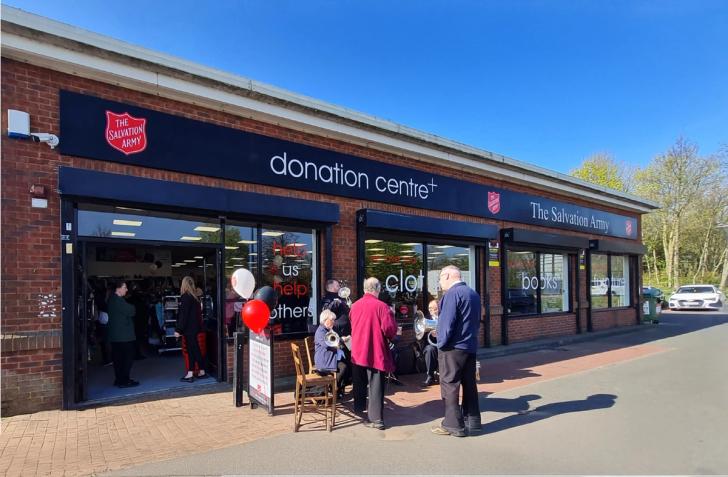
The Salvation Army Trading Company Ltd (SATCoL) has been ranked 21st among large companies to work for in the UK, according to Best Companies Ltd's annual workplace engagement rankings.
The trading arm of The Salvation Army, which collects 77,000 tonnes of textiles annually, also ranked fifth in the charity sector and fifth in Scotland. The rankings were announced at Best Companies Ltd's Big Reveal 2025 event.
Best Companies Ltd, a workplace engagement specialist, bases its rankings on employee feedback through bHeard colleague engagement surveys. A total of 739 paid SATCoL staff and 1,174 volunteers completed surveys measuring workplace factors including leadership, wellbeing, personal growth and management.
The organisation achieved a two-star Outstanding Employer Accreditation from Best Companies in October 2024, the first time SATCoL has partnered with the organisation.
Garry Smith, Director of Mission at SATCoL, said: "We are thrilled to have received this recognition which reflects the commitment of every colleague and the culture we've built together. Our core purpose is focused around helping our parent charity and helping people in the community who rely on our shops, clothing banks and other services."
Operational scale and sector context
SATCoL operates over 250 charity stores across the UK alongside a nationwide network of clothing banks. The organisation handles 102,000 tonnes of material annually, comprising 77,000 tonnes of clothing and 25,000 tonnes of other household items, according to its latest social and environmental impact report.
The charity retailer employs 1,357 staff and engages 6,091 volunteers across more than 250 retail outlets, 55 donation centres and over 8,350 clothing banks. It has donated over £100 million to The Salvation Army's community work over the past 12 years.
The workplace recognition comes as SATCoL faces operational challenges common across the UK's textile reuse sector. The organisation suspended textile collections from household waste and recycling centres in December, citing difficulties managing donation volumes and quality during the peak January period.
The UK's used textiles sector has experienced sustained financial pressure over the past decade, with prices per tonne for textile bank donations falling 58 per cent since 2013, according to WRAP data. Increased volumes of low-value fast fashion entering the waste stream have reduced the proportion of material suitable for resale.
Best Companies Ltd evaluates workplace engagement across eight factors: leadership, company culture, wellbeing, fair deal, management, team dynamics, personal growth and giving something back. The rankings compare organisations across different sectors and regions based on confidential employee feedback.
SATCoL ranked in the top 25 across multiple categories, including fourth in the South East, fourth in the West Midlands, sixth in the East of England, seventh in the East Midlands and eleventh in the North East.
The organisation has invested in advanced textile processing technology including Fibersort, which automatically identifies fibre composition and sorts donated clothing for higher-quality recycling. Its Project Re:claim polyester recycling facility won Recycler of the Year at the Plastics Industry Awards in December 2024.
SATCoL is a wholly owned subsidiary of The Salvation Army in the UK and Republic of Ireland. Its reuse and recycling activities help avoid an estimated 505,000 tonnes of carbon emissions annually, equivalent to removing 270,000 cars from roads for a year.


Get our weekly digest
resource.co article ai

How will the government and DMOs address the challenges of including glass in DRS while ensuring a level playing field across the UK?
There's no easy solution to include glass in the DRS while maintaining a level playing field. Potential approaches include a phased introduction of glass, potentially with higher deposits to reflect its logistical challenges. The government and DMOs could incentivise innovation in glass packaging design and subsidise dedicated return points for glass-handling. Exemptions for smaller businesses unable to handle glass might also be necessary. Any successful solution will likely blend several approaches. It must address the differing priorities of devolved administrations, balance environmental benefits with logistical and cost implications, and be supported by robust consumer education campaigns emphasizing the importance of glass recycling.