

The climate tech start-up uses enzymes to recycle synthetic fibres nylon 6, polyester and nylon 6,6 into reusable raw materials.
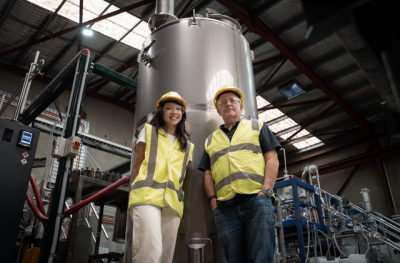
Climate tech company, Samsara Eco, has unveiled a new enzyme capable of recycling nylon 6, a synthetic fibre known for its elasticity, that is used in clothing, hosiery, and automotive materials. This technology, named EosEco, breaks down nylon 6 into its original building blocks, allowing it to be reused.
Currently, less than one per cent of textiles are currently produced using recycled materials, with the remaining 99.7 per cent relying on virgin fossil fuels. Every year, approximately 3.25 billion tonnes of textiles are manufactured, but nearly two-thirds end up in landfills or incinerators, contributing to a mounting environmental crisis.
Paul Riley, CEO and Founder of Samsara Eco, commented on the environmental issues in the textiles industry: “The current take-make-waste economy is incredibly damaging to our planet. We must reduce our reliance on carbon-intensive fossil fuels and instead, use what’s already in circulation.”
This development builds on the company’s previous work in recycling polyester, nylon 6,6 and mixed fibres, including those that are coloured or dyed. The technology used claims to have a low carbon footprint, and no high temperature requirements to run, further reducing harm to the environment.
Riley added: “We are now able to give new life to nylon 6 and continue to recycle the typically unrecyclable, infinitely.
“Apparel is very rarely made from a single fibre so being able to recycle mixed fibres is the only way we can create true circularity for the industry.”
The use of enzyme technology for breaking down plastics into reusable components is gaining traction in the sector, with companies like CARBIOS exploring similar methods to address the reliance on fossil fuels and the problem of textile waste.


Get our weekly digest
resource.co article ai

How will the government and DMOs address the challenges of including glass in DRS while ensuring a level playing field across the UK?
There's no easy solution to include glass in the DRS while maintaining a level playing field. Potential approaches include a phased introduction of glass, potentially with higher deposits to reflect its logistical challenges. The government and DMOs could incentivise innovation in glass packaging design and subsidise dedicated return points for glass-handling. Exemptions for smaller businesses unable to handle glass might also be necessary. Any successful solution will likely blend several approaches. It must address the differing priorities of devolved administrations, balance environmental benefits with logistical and cost implications, and be supported by robust consumer education campaigns emphasizing the importance of glass recycling.