

Decision follows December pause of HWRC collections as textile merchant cites rising costs and global oversupply of low-quality second-hand clothing driven by fast fashion
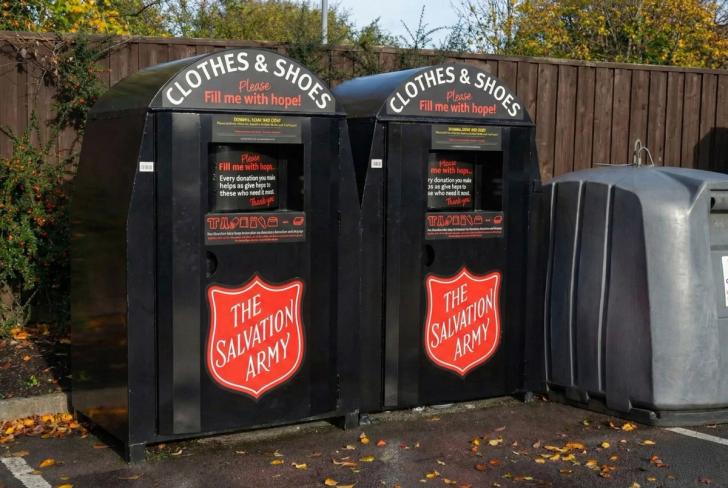
The Salvation Army Trading Company (SATCoL) has confirmed it will permanently remove all of its clothing banks from household waste recycling centre (HWRC) sites across the UK, following a review of operations that began after the charity paused collections in December.
A Salvation Army spokesperson told Resource: "We're very grateful for donations but had to make the difficult decision to remove some clothing banks because of market challenges and rising collection and processing costs. Making these changes means that more of the income made from clothing donations will go towards our work supporting vulnerable people."
SATCoL, one of the UK's largest second-hand textile merchants, initially suspended its HWRC collection contracts on 22 December 2025, informing local authorities that collections would be paused until the end of January 2026. The charity said at the time that it would conduct a full review of its position in February. That review has now concluded with the decision to withdraw from HWRC sites altogether.
The organisation said it has been liaising with local authorities to help them transition to new collection partners for the affected sites. SATCoL declined to confirm the exact number of banks being removed, stating that its review is proceeding on a region-by-region basis, but confirmed that thousands of clothing banks will remain in place at other locations across the UK.
Market pressures
This step marks a further reconfiguration of SATCoL's network, which has already seen banks removed from locations in Devon, Bedford and Aberdeenshire in recent months. In a statement published on its website, SATCoL pointed to a global oversupply of second-hand clothing and a decline in the quality of donated textiles as factors behind the decision.
"In recent years, there has been a huge increase in low quality second-hand clothes in circulation across the world which has significantly decreased the value of this market," the statement reads. The organisation said the combination of global, local and economic pressures means it can no longer cover the full cost of collecting and processing donations through its banking network.
The second-hand textiles sector has experienced sustained financial pressure, with prices per tonne for textile bank donations falling 58 per cent over the past decade, according to WRAP data. The influx of low-value fast fashion into the waste stream has reduced the proportion of material suitable for resale, while rebates that councils once earned from collected clothing have fallen by approximately 98 per cent in recent years.
HWRC textiles have been particularly affected, with minimum material prices for these collections falling into negative values during October and November 2025 before returning to zero. Several merchants have begun charging HWRCs for collections, reversing the traditional payment structure in which collectors paid councils for access to the material.
Growing case for tEPR
When SATCoL first announced its pause in December, the Local Authority Recycling Advisory Committee (LARAC) expressed concern. Cathy Cook (LARAC's Chair at the time) said the situation should act as a signal to government that action is needed to support the sector if circular economy and net zero targets are to be met. Cook noted that the underlying issues of limited UK infrastructure, reliance on overseas markets and poor-quality material would come as no surprise to those working in the sector.
Industry bodies have been pressing for the introduction of an Extended Producer Responsibility (EPR) scheme for textiles. In January, the UK Textiles Pact published a 10-point blueprint for a mandatory EPR scheme, warning that without intervention, local authority costs for dealing with textile waste could rise from £73 million to £200 million per year by 2035.
The blueprint, published by WRAP on behalf of the Pact, recommends a per-item fee of around 10p per garment, which it estimates could generate more than £300 million annually to fund collection, sorting and recycling infrastructure.
People wishing to donate clothes to the Salvation Army can find their nearest remaining donation point via the organisation's online map finder or donate by post.


Get our weekly digest
resource.co article ai

How will the government and DMOs address the challenges of including glass in DRS while ensuring a level playing field across the UK?
There's no easy solution to include glass in the DRS while maintaining a level playing field. Potential approaches include a phased introduction of glass, potentially with higher deposits to reflect its logistical challenges. The government and DMOs could incentivise innovation in glass packaging design and subsidise dedicated return points for glass-handling. Exemptions for smaller businesses unable to handle glass might also be necessary. Any successful solution will likely blend several approaches. It must address the differing priorities of devolved administrations, balance environmental benefits with logistical and cost implications, and be supported by robust consumer education campaigns emphasizing the importance of glass recycling.