

Supermarket chain Sainsbury’s has announced its plan to remove ‘best before’ dates on packaging for 276 of its own brand products to help reduce food waste in homes.
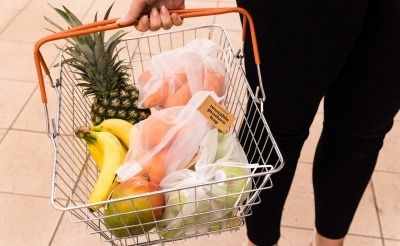
The change will come into force from the end of August, applying to products such as pears, onions, tomatoes, citrus fruits, and potatoes. An on-pack message ‘no date helps reduce waste’ will be present across the fresh produce when the ‘best before’ date is removed.
Sainsbury’s has already removed dates from over 1500 lines, including pineapples, pumpkins, apples, and indoor plants. By the end of the year, the retailer aims to switch all ‘use by’ dates on own-brand yoghurts to ‘best before’ dates, ‘giving customers more autonomy to make their own decisions on whether their food is good to eat’. This has the potential to affect 46 further product lines.
According to the supermarket, these changes could see UK households saving ‘11,000 tonnes of food each year, the equivalent of 17 million products’. Recent findings from WRAP highlight that 54,000 tonnes of yoghurt are wasted every year, with ‘70 per cent’ thrown away due to the date label. The NGO also found that around half of all yoghurt thrown away in homes is in unopened packs.
As well as this, a recent report from WRAP suggests that removing date labels from the most wasted fresh produce items, such as broccoli, apples, potatoes, and cucumber has the potential to ‘cut annual household food waste by 50,000 tonnes’.
As outlined by the Food Standards Agency (FSA) ‘use by’ dates are linked to food safety, whereas ‘best before’ dates relate to food quality. Food with a ‘use by’ date should never be used past this date (unless frozen on or before that date), whereas foods with a ‘best before’ date can be eaten beyond that date.
This month, UK retailer Asda announced its plan to remove best before dates from almost 250 packaged fresh fruit and vegetables in a similar effort to help customers reduce food waste and save money. This change is expected to come into effect on 1 September 2022.
Waitrose has also outlined plans to remove best before dates on nearly 500 fresh products this September. The retailers follow similar action by competitors such as M&S, which has removed dates from over 300 fresh items, and Co-op, which has removed use-by dates from own-brand yoghurts.
These changes echo findings published by WRAP earlier this year, which saw the NGO call for the removal of ‘best before’ labels and unnecessary plastic packaging on a wide range of fresh uncut fruit and vegetables. Instead, the NGO recommended that more fresh uncut produce be sold loose.
Kate Stein, Director of Technical at Sainsbury’s, said: “We know that around a third of all food produced for human consumption is either lost or wasted and food waste is one of the leading contributors of carbon emissions, accounting for a staggering 8-10 per cent of GHG emissions globally, which is why we’re committed to helping customers reduce waste at home.
“We also know that by avoiding unnecessary waste, we can help our customers save money by making their food shop last longer. The changes that we’re announcing today will do just that, giving customers more autonomy to make their own decisions on whether their food is good to eat, and preventing them from disposing of food too early. With changes like these, together, we can all play our part in tackling the climate crisis and protecting the planet for generations to come.”
Catherine David, Director of Collaboration and Change at WRAP, added: “WRAP is thrilled to see these changes on fruit, veg and [yoghurts] to help tackle food waste in our homes.
“Wasting food feeds climate change and costs us money. The right date label, or no date label, has a big influence on what we use and what we throw away. For fruit and veg, date labels are unnecessary and our research has shown that removing them can save the equivalent of seven million shopping baskets’ worth from our household bins a year.
“With [yoghurts], applying a ‘best before’ date rather than a ‘use by’ date means that people can use their judgement to eat beyond that date. Storing most fruit and veg and all yoghurt products in the fridge, below five degrees, will keep them fresher longer.
“We call on more retailers to make these changes. The average family in the UK throws away £700 worth of food a year – check out Love Food Hate Waste for tips on how to reduce food waste, save money and fight climate change.”


Get our weekly digest
resource.co article ai

How will the government and DMOs address the challenges of including glass in DRS while ensuring a level playing field across the UK?
There's no easy solution to include glass in the DRS while maintaining a level playing field. Potential approaches include a phased introduction of glass, potentially with higher deposits to reflect its logistical challenges. The government and DMOs could incentivise innovation in glass packaging design and subsidise dedicated return points for glass-handling. Exemptions for smaller businesses unable to handle glass might also be necessary. Any successful solution will likely blend several approaches. It must address the differing priorities of devolved administrations, balance environmental benefits with logistical and cost implications, and be supported by robust consumer education campaigns emphasizing the importance of glass recycling.