

Twickenham-based technology company Limetrack has developed IoT-connected waste bins combining RFID access control and precision scales to automate food waste tracking for businesses facing new Simpler Recycling compliance requirements, with plans to scale manufacturing from 20 to 250 units weekly.
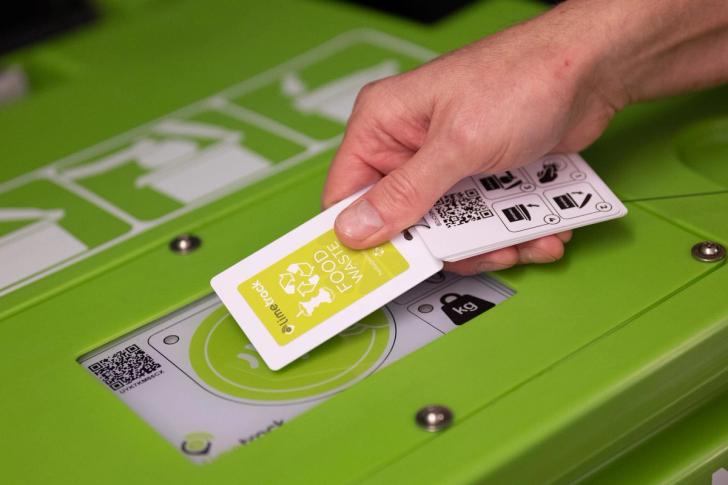
A London-based technology company has developed an Internet-of-Things (IoT) food waste bin that integrates RFID-controlled access with precision weighing to automatically record the weight of waste.
Limetrack's system, which the company reports has raised over £1.3 million in combined loan and equity funding, uses patented hardware to log each deposit by user, weight and regulatory category. The innovation transmits data to a cloud-based analytics platform the manufacturers say is designed to meet Simpler Recycling reporting requirements for businesses.
The company states that customers include NHS trusts, independent schools, hotels and care homes, as well as major UK waste management firms. Multinational corporations including Sky and hospitality company Convene are introducing the bins across multiple sites, with trials in discussion with Heathrow and a national fast-food chain.
Technical approach to Simpler Recycling requirements
The system addresses data collection requirements within the Simpler Recycling legislation, which mandates businesses to separate food waste from other streams. According to government projections, 2.2 million UK business sites are affected by the 2025 deadline, rising to 6.2 million by 2027 when micro-firms must comply.
Unlike traditional waste management approaches, Limetrack does not collect or process waste. Instead, the system collects data and provides it to logistics partners, with the stated aim of enabling more efficient collection routing by identifying when bins require emptying.
The technology uses RFID tags to identify users, integrated scales to measure deposits, and cellular connectivity to transmit data. Each bin can be shared across multiple users, with individual tracking and reporting. The company indicates this approach is intended to serve small businesses and shared facilities where single-user bins are impractical.
Limetrack states it plans to introduce AI-powered waste reduction analytics and electronic point-of-sale integration in 2027. These features would aim to provide predictive insights based on patterns in waste generation, though the company has not disclosed technical specifications for these planned capabilities.
The system's architecture is described as adaptable to various waste types and workflows, which the company suggests could enable applications beyond food waste monitoring. However, current deployments focus on food waste compliance under Simpler Recycling requirements.


Get our weekly digest
resource.co article ai

How will the government and DMOs address the challenges of including glass in DRS while ensuring a level playing field across the UK?
There's no easy solution to include glass in the DRS while maintaining a level playing field. Potential approaches include a phased introduction of glass, potentially with higher deposits to reflect its logistical challenges. The government and DMOs could incentivise innovation in glass packaging design and subsidise dedicated return points for glass-handling. Exemptions for smaller businesses unable to handle glass might also be necessary. Any successful solution will likely blend several approaches. It must address the differing priorities of devolved administrations, balance environmental benefits with logistical and cost implications, and be supported by robust consumer education campaigns emphasizing the importance of glass recycling.