

Network calls for stronger collaboration as product donations drop by almost one million, despite the sector supporting 1.5 million households to gain essential items in 2024.
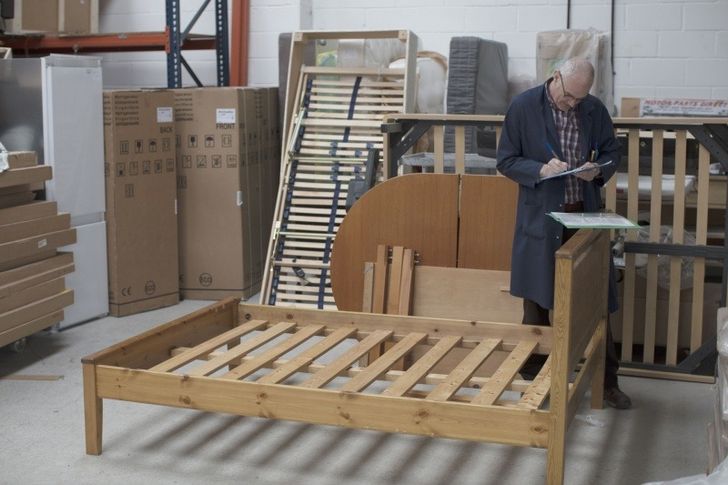
Reuse Network has released its Social Impact Report 2024, calling for increased cross-sector collaboration to boost donations.
According to the report, the reuse sector helped support 1.5 million households gain access to essential items in 2024, saving £321.2 million compared to buying each item new.
Collaboration is highlighted as key to this effort. Reuse Network’s partnerships with organisations such as the Appliance Recycling Group (ARG) allowed the network to divert 1,150 products from landfill, which were instead donated to 920 households.
Craig Anderson, CEO of Reuse Network, emphasised the importance of these partnerships for the reuse sector: “We need stronger collaboration between manufacturers, retailers, policymakers, consumers, and the charity sector to create a more sustainable and equitable system. The benefits of reuse extend far beyond waste management.
“Partnerships like this show how, by working together, we can not only reduce waste but also help families facing financial hardship by providing access to affordable, essential goods.”
A decline in donations
However, the report warns that the number of product donations has gone down. Last year saw 2.55 million items reused, down by almost one million compared to 2019.
The rising cost of living is cited as a reason for this reduction in products, with people holding on to their goods longer and buying fewer new items. There has also been a growth in demand for affordable household items, adding to the gap between supply and demand.
Anderson highlighted the problems facing the sector: “The shortage of donated furniture has been one of the toughest challenges this year.
“Many people who would have donated items in the past are facing their own financial difficulties, and as a result, we’ve seen a decline in the volume of donations.”
A recent report from Green Alliance raised concern about the increasing number of electrical and electronic products needed, and have called for greater policy intervention to incentivise device donations.


Get our weekly digest
resource.co article ai

How will the government and DMOs address the challenges of including glass in DRS while ensuring a level playing field across the UK?
There's no easy solution to include glass in the DRS while maintaining a level playing field. Potential approaches include a phased introduction of glass, potentially with higher deposits to reflect its logistical challenges. The government and DMOs could incentivise innovation in glass packaging design and subsidise dedicated return points for glass-handling. Exemptions for smaller businesses unable to handle glass might also be necessary. Any successful solution will likely blend several approaches. It must address the differing priorities of devolved administrations, balance environmental benefits with logistical and cost implications, and be supported by robust consumer education campaigns emphasizing the importance of glass recycling.