

Tech-Takeback report highlights the benefits of digital inclusion from reusing IT, as well as the broader value from the reuse sector.
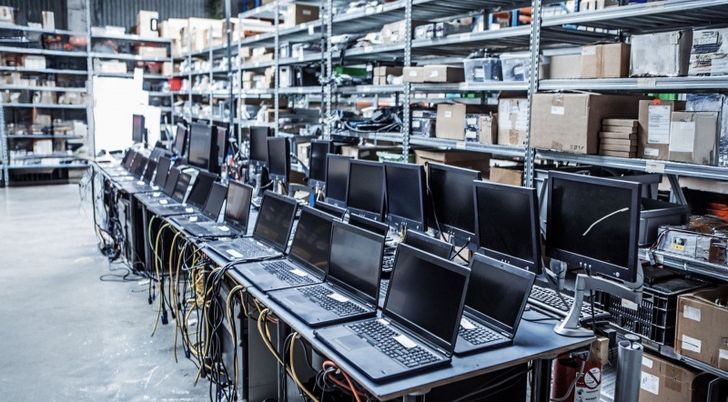
Re-use activities created between £120 million and £346 million in social value in 2023/24, according to a new study funded by the Chartered Institution of Wastes Management (CIWM).
The research, conducted by electrical repair and reuse service, Tech-Takeback, focuses on the social value of reuse programmes, with particular focus on technology and electronics.
Lee Marshal, CIWM’s Director of Innovation & Technical Services, commented: “Waste policy has not always been strong on reuse activities, and it will need to strengthen if we are to move towards a more circular economy. By demonstrating the social value associated with reuse activities, we can hopefully accelerate the move toward them becoming more mainstream than they currently are.”
How can the waste and resources sector support reuse efforts?
The study used three social value measurement frameworks - TOMs, HACT, and LOOP - to evaluate reuse activities. Each framework provided different aspects of value creation, with HACT, which focuses on individual wellbeing outcomes, generating the highest valuations.
TOMs (themes, outcomes and measures) and LOOP quantify the economic impacts to social value, including outcomes like job creations and environmental savings. HACT (housing associations' charitable trust) takes a different approach, measuring how subjective interventions change people’s lives through metrics like improved confidence and reduced social isolation.
A literature review, stakeholder questionnaire, and workshops were also conducted, including consultation with members from Breyer Group, Freegle, Samtaler, SUEZ, Salvation Army Trading Division, and University College London.
The report outlines several key benefits that the resource and waste management sector can provide to support the transition towards a circular economy:
- The creation of new jobs in the repair and reuse economy, and assistance for people back into employment through the provision of reused laptops
- A reduction in household expenditure by offering high-quality reused items at low prices
- Access to affordable technology for disadvantaged groups, and a reduction in digital exclusion
- Increased capture of rare earth materials from the disassembly of end-of-life products, estimating 126 kg of materials saved per laptop
- Contribution to cutting carbon by reducing the need for new product manufacturing, with estimates of 25.9 kg of carbon dioxide saved per laptop
- Water savings of 36.3 m3eq per laptop each year
Wider societal benefits mentioned included improved access to education, enhanced employment opportunities, better access to essential services, and financial savings for recipients.
Jodi Harford, Chief Operating Officer at Tech-Takeback, added: “This report demonstrates that reuse is more than just an alternative to recycling — it can be a powerful catalyst for community transformation. Our social value calculations show that every reused item, whether a piece of tech or another everyday product, can create jobs, reduce costs, and boost well-being.”
Using HACT calculations, Tech-Takeback estimates that a typical refurbished laptop can generate up to £43,000 in social value, which could amount to up to £44 billion in social value if all 20 million unused laptops stored in UK homes were refurbished.
The study also underlines the importance of collaborative work, such as suggesting that companies with public sector contracts should consider funding socially valuable reuse projects, and developing sector-wide measures that capture reuse value.
Despite the advantages, the report highlights challenges, including a lack of standardised metrics for reuse activities and difficulties in measuring long-term impact. However, the researchers emphasise that better quantification of social benefits could make reuse initiatives more attractive in public procurement and business strategies.
Electrical appliances and electronics would benefit from larger reuse projects in particular, with SUEZ suggesting that the UK discards two million tonnes of electrical items annually, and calling for the government to introduce policy changes that will accelerate the transition to a repair and reuse economy.


Get our weekly digest
resource.co article ai

How will the government and DMOs address the challenges of including glass in DRS while ensuring a level playing field across the UK?
There's no easy solution to include glass in the DRS while maintaining a level playing field. Potential approaches include a phased introduction of glass, potentially with higher deposits to reflect its logistical challenges. The government and DMOs could incentivise innovation in glass packaging design and subsidise dedicated return points for glass-handling. Exemptions for smaller businesses unable to handle glass might also be necessary. Any successful solution will likely blend several approaches. It must address the differing priorities of devolved administrations, balance environmental benefits with logistical and cost implications, and be supported by robust consumer education campaigns emphasizing the importance of glass recycling.