

Polestar and MBA Polymers UK collaborate to integrate plastic waste in EV interiors, aiming for less waste in landfill and carbon emissions during manufacturing.
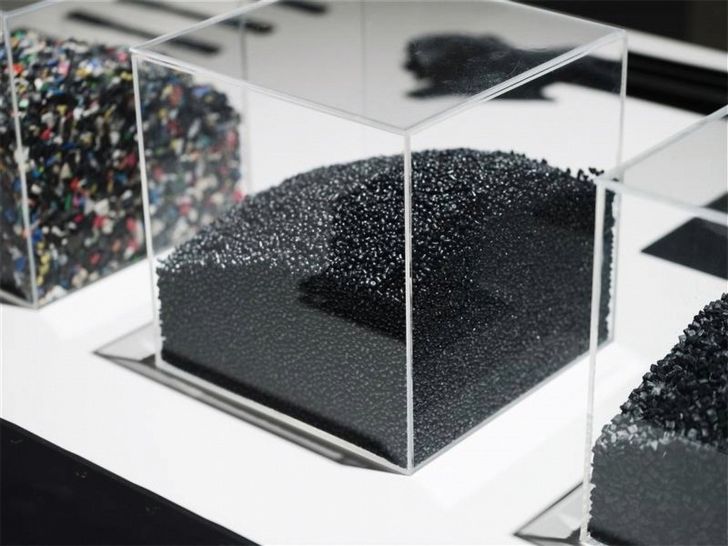
Swedish electric vehicle manufacturer, Polestar, has signed an agreement with plastics recycler MBA Polymers UK that looks to integrate more recycled plastics into the interior parts of luxury vehicles.
The partnership hopes to enable a more circular flow of end-of-life plastic materials, meaning that less plastic ends up in landfill and less carbon is emitted during manufacturing. It also aims to accelerate the transition to a circular economy for electric vehicles in the UK.
Commenting on the agreement, Ross Kelk, Chief Engineer Interiors at Polestar UK R&D, said: “As an industry leader in vehicle recycling and the sustainable production of high-grade polymers, MBA Polymers UK will play a key role in supporting Polestar’s pursuit for a carbon neutral car in the future.”
The collaboration aligns with draft amendments to the end-of-life vehicle (ELV) Directive by the EU Commission that will require the automotive industry to use at least 25 per cent recycled plastic to build a vehicle, of which 25 per cent is to come from recycled ELVs.
The partnership follows the launch of MBA Polymer UK’s new ABS polymer, which contains over 95 per cent post-consumer recycled content. The new material works as an alternative to plastics used in electronic, automotive manufacturing, and consumer goods.
Paul Mayhew, Director at MBA Polymers UK, added: “MBA Polymers UK’s expertise, combined with our state-of-the art technologies, will support this transition to high quality recycled plastics, enabling Polestar to truly transform the automotive industry and help to safeguard the planet for future generations.”
Electric vehicle battery recycling is also being explored to increase end-of-life circularity, with research by European Metal Recycling (EMR) and Altilium looking at how critical materials such as lithium, cobalt, nickel, and graphite can be recovered from old batteries.


Get our weekly digest
resource.co article ai

How will the government and DMOs address the challenges of including glass in DRS while ensuring a level playing field across the UK?
There's no easy solution to include glass in the DRS while maintaining a level playing field. Potential approaches include a phased introduction of glass, potentially with higher deposits to reflect its logistical challenges. The government and DMOs could incentivise innovation in glass packaging design and subsidise dedicated return points for glass-handling. Exemptions for smaller businesses unable to handle glass might also be necessary. Any successful solution will likely blend several approaches. It must address the differing priorities of devolved administrations, balance environmental benefits with logistical and cost implications, and be supported by robust consumer education campaigns emphasizing the importance of glass recycling.