

WRAP expands annual campaign to highlight recyclable toothpaste tubes, shampoo bottles and foil, and calls on local authorities to update collection data
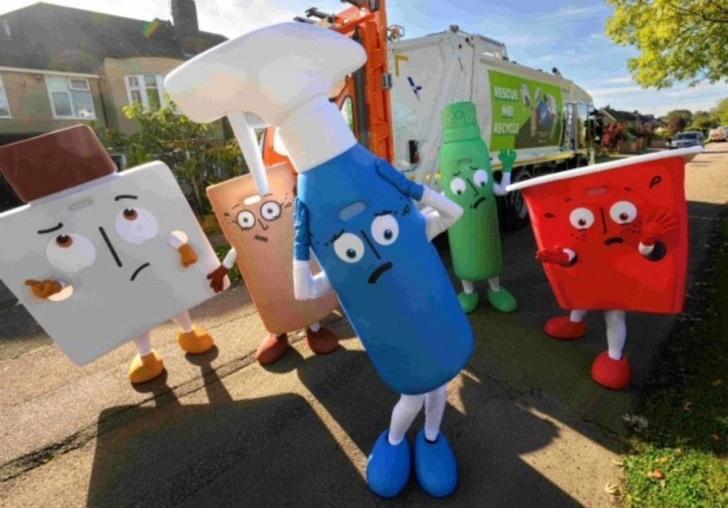
The Waste and Resources Action Programme (WRAP) has announced the expansion of Recycle Week to include toothpaste tubes, shampoo bottles and foil among the household items that can be recycled.
The 2025 campaign, which will run from 22 to 28 September, continues the ‘Rescue Me! Recycle’ theme to address the one billion recyclable items incorrectly disposed of each year.
Other household items targeted in the campaign include toilet roll tubes, trigger sprays, aerosols, yoghurt pots, aftershave and perfume bottles.
Recycle Week aims to bring retailers, brands, waste companies, trade associations, governments, and the media together to encourage the public to recycle more items, more frequently and correctly.
WRAP is calling on local authorities already collecting recyclable toothpaste tubes to update their collection data in its Local Authority Portal. This database feeds directly into the Recycle Now Recycling Locator web app that the public can search for local recycling options.
The request comes as toothpaste tubes remain unavailable for kerbside collection across much of England and Northern Ireland, despite industry-wide reforms making them recyclable.
The latest WRAP data shows that while 90 per cent of UK households regularly recycle, 79 per cent still put items into general waste that could be recycled.
"Recycle Week continues to be a powerful moment to inspire action across the UK, and this year's Rescue Me! Recycle campaign is no exception," said Catherine David, WRAP.
"By highlighting everyday items like shampoo bottles, foil, and toothpaste tubes – things we often overlook – we're helping people see the real impact of small changes."
Industry transformation enables toothpaste tube recycling
An industry-wide reform led by WRAP, Haleon (makers of Sensodyne and Aquafresh), and Colgate-Palmolive has made toothpaste tubes recyclable through material innovation.
Major oral care brands collectively shifted from complex multi-laminate tubes to mono-material alternatives, primarily using High-Density Polyethylene (HDPE), the same polymer used for milk jugs and shampoo bottles, making the new tubes compatible with existing recycling streams.
The new tubes carry the "Recycle" label from the UK's On-Pack Recycling Label scheme, with instructions to empty remaining paste and keep caps on.
Toothpaste tubes were previously the second-largest contaminant in home recycling bins, with around 30 per cent of households disposing of them incorrectly. Trials showed recovery rates of up to 60 per cent for properly emptied tubes.
WRAP’s LA Portal data directly feeds into the Recycle Now Recycling Locator, enabling householders to use a postcode search to check whether recyclable materials can be collected at kerbside or need to be taken to a recycling site. This locator was used over 7.5 million times in 2022.
WRAP has implemented live data updates for the current financial year to ensure citizens receive accurate information when using recycling tools.
Persistent recycling challenges remain
UK households are wasting over one billion items annually that could be recycled, including 84.5 million cleaning product bottles, 126 million aerosols and 743 million yoghurt pots.
WRAP's 2024 Recycling Tracker found contamination affects 82 per cent of citizens who put non-recyclable items in recycling bins, while less than one in ten UK citizens feel "very confident" about what can and cannot be recycled.
Recycle Week 2024 demonstrated effectiveness, driving down the missed capture rate for commonly binned recyclables from 70 per cent to 64 per cent and reaching 7.3 million people, with 2.9 million indicating changed recycling habits.
WRAP has published a Rescue Me - Recycle: Toolkit to improve waste and recycling communications throughout the year.


Get our weekly digest
resource.co article ai

How will the government and DMOs address the challenges of including glass in DRS while ensuring a level playing field across the UK?
There's no easy solution to include glass in the DRS while maintaining a level playing field. Potential approaches include a phased introduction of glass, potentially with higher deposits to reflect its logistical challenges. The government and DMOs could incentivise innovation in glass packaging design and subsidise dedicated return points for glass-handling. Exemptions for smaller businesses unable to handle glass might also be necessary. Any successful solution will likely blend several approaches. It must address the differing priorities of devolved administrations, balance environmental benefits with logistical and cost implications, and be supported by robust consumer education campaigns emphasizing the importance of glass recycling.