

2024 Recyclability by Design guidance offers new insights into material compatibility, life cycle assessments and product design.
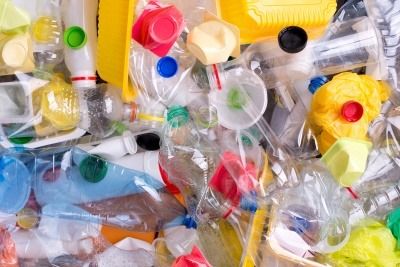
RECOUP has announced new updates to its Recyclability by Design (RBD) guidelines 2024 in preparation for the compliance and financial impact of the Extended Producer Responsibility (EPR) scheme.
These updates aim to support businesses in designing plastic packaging that not only complies with regulations but also aligns with broader sustainability objectives.
The guidelines set out material-specific recommendations such as material compatibility and design principles from commonly used plastics. Given the challenges posed by multi-layer and composite materials, it advises that these designs should be avoided unless they can be efficiently separated during recycling.
Updated compatibility tables also provide a framework for determining the recyclability of various material combinations, for instance PET bottles with clear or light-tinted materials are marked as compatible, while those with heavy pigments or non-separable barrier layers are deemed unsuitable.
Lifecycle assessments (LCAs) and metrics for circular economy contribution have further been added to the updated guidelines to offer businesses ways to quantify the environmental impacts of their packaging.
The guidance outlines steps to integrate these considerations into early-stage product development, hoping to reduce later modifications and the associated costs.
Paul East, RECOUP’s Head of Packaging Recycling and Design, commented: “RBD is a reminder of the importance of designing for recycling, when making decisions, as well as for marketing and brand recognition.”
The guidelines also address the complexities of recent EU regulations, including the Recycled Plastic Materials and Articles Regulations updated in 2022, which impose stricter traceability requirements.
East added: “By using the recommendations within RBD, you will be ensuring that your plastic packaging is given the best chance to be recycled in line with upcoming legislation.”


Get our weekly digest
resource.co article ai

How will the government and DMOs address the challenges of including glass in DRS while ensuring a level playing field across the UK?
There's no easy solution to include glass in the DRS while maintaining a level playing field. Potential approaches include a phased introduction of glass, potentially with higher deposits to reflect its logistical challenges. The government and DMOs could incentivise innovation in glass packaging design and subsidise dedicated return points for glass-handling. Exemptions for smaller businesses unable to handle glass might also be necessary. Any successful solution will likely blend several approaches. It must address the differing priorities of devolved administrations, balance environmental benefits with logistical and cost implications, and be supported by robust consumer education campaigns emphasizing the importance of glass recycling.