

On Thursday (3 February), RECOUP published the results of its Pledge2Recycle study entitled ‘Citizen Plastics Recycling Behaviours Insights Study’, demonstrating persistent confusion amongst consumers on the recyclability of complicated, mixed-material packaging.
The survey found that consumers were confident in recycling simple packaging, with 95 per cent of respondents claiming to recycle plastic drink bottles every time. Similarly, 83 per cent claim to recycle shampoo and conditioner bottles, with 80 per cent recycling plastic cleaning and sauce bottles.
Recycling of more complicated packaging – including packaging that contains more than one material or is more difficult to clean – dropped significantly. 52 per cent of respondents claim to recycle food or ready-meal containers, whereas 62 per cent recycle fresh meat trays consistently. Recycling of clear fruit and vegetables containers rose, with 73 per cent recycling them every time.
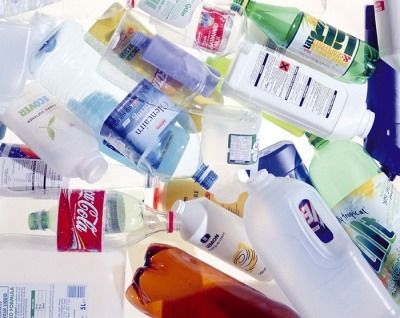
The study found more confusion arising regarding packages that claim to be ‘recyclable’, but are unlikely to be collected kerbside. For example, mono polymer toothpaste tubes are labelled as ‘recyclable’, but are not yet collectable by kerbside schemes. Based on its findings, the charity calls for more collaboration between the value chain of items and the recycling infrastructure available for citizens.
Further confusion remains regarding household recycling procedures. RECOUP found that only 43 per cent of respondents empty and rinse packaging before recycling it, with the body consequently recommending better communication with consumers regarding the importance of correct preparation of materials before they are recycled.
Anne Hitch, Head of Citizen & Stakeholder Strategy at RECOUP stated: “The picture painted of citizen plastics recycling behaviours is a complex one. Simplicity is the key to citizen engagement both in pack design and recycling messaging. Recycling needs to be intuitive both in terms of collection consistency, service provision, and pre-preparation of the pack. Convenience is paramount to unlocking the potential for higher plastics recycling rates.”
Calls to further standardise household recycling have been ongoing, with RECOUP releasing a report in March 2021 urging cosmetic companies to expand the recyclability of their packaging, and better inform consumers of it.
On-Pack Recycling Label (OPRL) launched its ‘#MakeItEasy’ petition in September of last year, urging the Government to standardise mandatory recycling labels. In the same month, the body, in partnership with RECOUP, announced its new recyclability certification scheme in response to growing public confusion over what can be recycled.
In recent years, OPRL has garnered growing support from manufacturers' confederations, including British Glass and Alupro, in its mission to improve recycling labels and better inform consumers on the recyclability of a wide range of consumer goods.


Get our weekly digest
resource.co article ai

How will the government and DMOs address the challenges of including glass in DRS while ensuring a level playing field across the UK?
There's no easy solution to include glass in the DRS while maintaining a level playing field. Potential approaches include a phased introduction of glass, potentially with higher deposits to reflect its logistical challenges. The government and DMOs could incentivise innovation in glass packaging design and subsidise dedicated return points for glass-handling. Exemptions for smaller businesses unable to handle glass might also be necessary. Any successful solution will likely blend several approaches. It must address the differing priorities of devolved administrations, balance environmental benefits with logistical and cost implications, and be supported by robust consumer education campaigns emphasizing the importance of glass recycling.