

Recycling charity RECOUP is today (28 July) calling for an industry-wide agreement on the basic principles of plastics recycling advice as a new guide for plastics recycling communications is published in Kent.
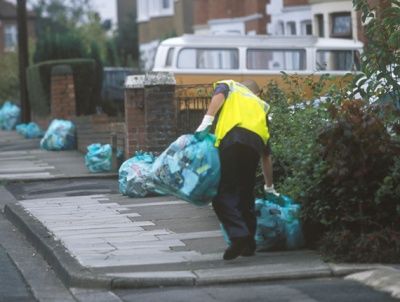
‘Best Practice Guide for UK Plastics Recycling Communications’, produced by The Kent Understanding Plastics ‘Live Lab’ project, aims to facilitate a basic core citizen messaging for the plastics recycling industry to improve the quality and quantity of plastics recycling collected kerbside.
The guide was part-funded by Innovate UK, a subsidiary of UK Research and Innovation (UKRI), and industry partners; Kent Resource Partnership; Veolia; Ecosurety; British Plastics Federation (BPF); Plastics Europe; and PPS Recovery Systems, and was supported by Ocado, Sainsbury’s and On-Pack Recycling Label (OPRL).
Constructed with 680,000 households and all 13 Kent Councils, authors utilised face-to-face engagement with citizens in retail settings, online discussion forums, social media, and questionnaires to collect feedback from residents.
This was then used to put together a ‘Top 20 easy wins’ – tips on communicating to residents to instil positive behavioural change in recycling practices. These tips include putting emphasis on cleaning materials before they are recycled, and the need to squash bottles and replace lids before they’re recycled.
Other sections of the guide include ‘The Five Factors of Influence’, detailing five important factors to delivering effective guidance, and qualitative insights into resident perceptions of kerbside recycling, with one resident recalling: ‘I sort it, but my husband says, why bother when it’s all burnt’.
While working with residents to build the guide, RECOUP learnt how residents wish to do the right thing when it comes to recycling, and view their Local Authority as a trusted source of information. Based on this reaction, the body emphasises the need for transparency and clarity in messaging and plastics recycling end market information.
The charity also points to, as referenced in the ‘The Five Factors of Influence’, the importance of accurate data in relation to kerbside target and non-target materials, and calls for national regularity to allow for precise comparisons.
Anne Hitch, Head of Citizen & Stakeholder Engagement at RECOUP, commented: “A lack of accurate information on plastics recycling is holding back recycling rates as citizens continue to act from an unsubstantiated knowledge base.
“Local Authority websites can lead to confusion as the message for plastic bottles nationally continues to vary with only 28 per cent of UK authorities giving the correct advice on bottle preparation. Bottle tops do not get the opportunity to be recycled unless they are attached to the bottle, a fact which is often misunderstood or miscommunicated.”
The Kend Resource Partnership’s Manager, Sally Ward, said: “This project has provided such valuable information in relation to attitudes to plastics in general as well as plastic recycling. It has helped, not only to shape residents’ views, but also to change behaviours.
“This has led to an increase in plastic recycling in Kent to the highest in the UK. The project not only delivered communications to assist in removing confusion of plastic recycling, but it explored how residents can be encouraged to reduce, reuse, and recycle plastics.”
Sandeep Attwal, Group Procurement Manager for Ecosurety Ltd commented: “Ecosurety Ltd were delighted to be involved in this project. Working in the producer responsibility field over the last 20 years, producers have been incentivised to reduce the amount of packaging they place onto the market to lower their compliance costs.
“This project has highlighted that further work is needed to drive recyclability of packaging and use materials that create the feedstock to promote circular plastic economy but also to have a national consistent collection system will help increase recycling rates significantly.”
Helen Jordan, Senior Recycling Issues Executive at BPF, commented: “BPF were pleased to be involved in this project, which has highlighted some key areas that need to be addressed to help ensure that communication on recycling is as effective as possible. We hope that the outcomes from this project help inform the development of future communications campaigns and legislation.”
Laura Hutchings, Senior Policy, and Infrastructure Projects Officer for PPS Recovery Systems Ltd, said: “It was already common knowledge that data in the waste management space was complex and sometimes not fit for purpose, and this project has really thrown a light on the inconsistencies, gaps and challenges that make collating a uniform database almost impossible.
“However, this type of data is going to be imperative with the upcoming waste and recycling legislation reforms coming into place over the next few years. Highlighting the need for a consistent approach to waste data will enable the accumulation of more robust and reliable evidence from which future policy can be based, and recycling targets can be measured.”
Ocado Retail’s Senior Packaging and Sustainability Manager, Laura Fernandez, added: “At Ocado Retail, we're committed to helping our customers recycle more and better, so we were delighted to be a part of Recoup's recent research project. We look forward to continuing working together to drive sustainable change in people's recycling behaviours.”


Get our weekly digest
resource.co article ai

How will the government and DMOs address the challenges of including glass in DRS while ensuring a level playing field across the UK?
There's no easy solution to include glass in the DRS while maintaining a level playing field. Potential approaches include a phased introduction of glass, potentially with higher deposits to reflect its logistical challenges. The government and DMOs could incentivise innovation in glass packaging design and subsidise dedicated return points for glass-handling. Exemptions for smaller businesses unable to handle glass might also be necessary. Any successful solution will likely blend several approaches. It must address the differing priorities of devolved administrations, balance environmental benefits with logistical and cost implications, and be supported by robust consumer education campaigns emphasizing the importance of glass recycling.