

RECOUP has announced that it will be setting aside a full session on plastic films and flexibles recycling at its upcoming Plastics, Resources, and Recycling Conference on 30 September.
The plastics recycling charity has stated that there is ‘no question’ that significantly more household plastic film should be recycled if ambitious targets for plastic packaging recycling, as outlined in the Department for Environment, Farming and Rural Affairs’ (Defra) consultations, are to be met.
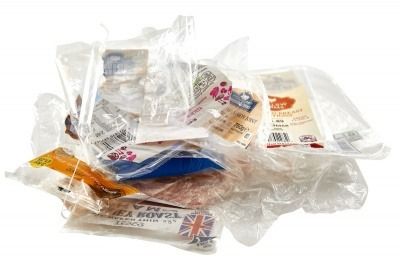
The challenge of recycling plastic films and flexibles has been a longstanding subject of discussion within the industry. RECOUP has asserted that collection, material sorting, and end markets all need development, investment, and energy to move towards a circular outcome for the plastic format.
The charity has proposed that kerbside collection would be the most effective approach, with research reports and international evidence, it says, indicating that such processes are possible.
A range of views regarding ‘sensible timescales’ for implementation, RECOUP has said, are being put forward, including details on who pays, and how much. The charity stated that solutions should be provided through the packaging Extended Producer Responsibility (EPR) reform and collection consistency measures, both of which the industry hopes to hear more from Defra on by the end of the year.
RECOUP added that there is a need for a coordinated industry-led UK demonstration for recycling plastic films and flexibles at scale to prove which approaches work for kerbside systems, and to give confidence that the reprocessing and end market demand for the material exists, and will continue to develop.
Carole Taylor, Chair of LARAC, who will be moderating the session, said: “The collection of plastic film and flexibles will be a challenge to local authorities if the sorting and end markets are not in place to be able to deal with the material collected.
“Ensuring the infrastructure is available to deal with films and flexibles is the first really important step which will give confidence to councils to be able to collect this material in a way that suits their local area.”
Robbie Staniforth, Innovation & Policy Director of Ecosurety, who is also due to speak in the session, added: “There are many obvious challenges with increasing the amount of flexible plastic packaging recycled, such as the varying nature of the material. However, the concerted industry focus in this area has opened up an array of opportunities for collecting, sorting, and reprocessing.
“With the Government citing the introduction of mandatory household collections in the coming years, the Flexible Plastics Fund provides funding to scale up reprocessing in the interim.”
Stuart Foster, CEO of RECOUP, additionally commented: “The recent developments in front of store film collections are very welcomed as a short to medium-term solution and we will continue to support our retailer members with their initiatives.
“It will help provide confidence in quantities of recyclable material available, test end markets and provide additional confidence in planned investments, help citizens to become more familiar with film recycling behaviour, plus encourage the wider adoption of design
for recycling by producers.”


Get our weekly digest
resource.co article ai

How will the government and DMOs address the challenges of including glass in DRS while ensuring a level playing field across the UK?
There's no easy solution to include glass in the DRS while maintaining a level playing field. Potential approaches include a phased introduction of glass, potentially with higher deposits to reflect its logistical challenges. The government and DMOs could incentivise innovation in glass packaging design and subsidise dedicated return points for glass-handling. Exemptions for smaller businesses unable to handle glass might also be necessary. Any successful solution will likely blend several approaches. It must address the differing priorities of devolved administrations, balance environmental benefits with logistical and cost implications, and be supported by robust consumer education campaigns emphasizing the importance of glass recycling.