

The partnership will offer dedicated drop-off points for unwanted footwear, recycling collected materials into new products.
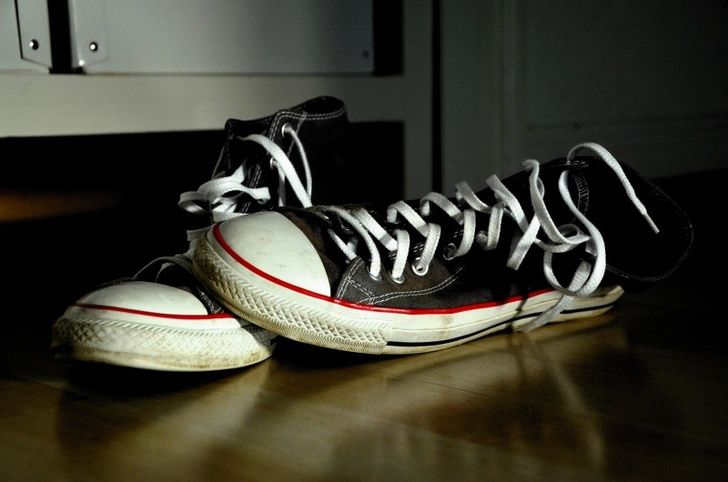
Reconomy Connect, a Reconomy brand, and footwear recyclers, ReNewShoe, have partnered to offer a new collection and recycling scheme for unwanted shoes.
The collaboration will see the creation of designated drop-off points at Reconomy Connect sites where people will be able to leave footwear for disposal.
After collection, ReNewShoe takes the old shoes and recycles them to produce a variety of different resources such as rubber, foam, fluff and leather. These materials can then be used in the production of new items, such as picnic tables, flooring for indoor and outdoor sport facilities, or even to create circular shoes.
ReNewShoe, a partner brand to Fast Feet Grinded, a European footwear recycler, has used this technology to produce the ASICS Neocurve sneaker from recycled materials.
Discussing the partnership, Gareth Denton Smith, Managing Director at ReNewShoe, said: “I started my business because I could not understand why there was not a method for sustainably recycling footwear.
“I am delighted to now be partnering with Reconomy Connect, whose extensive waste collection infrastructure and technology capabilities will help take our efforts to drive responsible shoe recycling to the next level.”
Due to the number of materials contained within footwear, it is particularly difficult to recycle. Currently, the industry produces approximately 23.8 billion pairs of shoes annually, of which around 95 per cent ends up in landfill or incineration.
David Seal-Yates, Head of Circular Solutions at Reconomy Connect, added: “We are thrilled to be playing a key role in addressing the significant challenge of hard-to-recycle footwear, an often overlooked issue.
“Partnering with ReNewShoe will help us in our mission to support businesses unlock cost savings and commercial opportunities by keeping resources in circulation, reducing the need for virgin material production and preventing waste from ending up in landfill.”
Recently, Fashion for Good launched a circularity initiative for footwear, bringing together fashion brands to address the challenges to shoe recycling.


Get our weekly digest
resource.co article ai

How will the government and DMOs address the challenges of including glass in DRS while ensuring a level playing field across the UK?
There's no easy solution to include glass in the DRS while maintaining a level playing field. Potential approaches include a phased introduction of glass, potentially with higher deposits to reflect its logistical challenges. The government and DMOs could incentivise innovation in glass packaging design and subsidise dedicated return points for glass-handling. Exemptions for smaller businesses unable to handle glass might also be necessary. Any successful solution will likely blend several approaches. It must address the differing priorities of devolved administrations, balance environmental benefits with logistical and cost implications, and be supported by robust consumer education campaigns emphasizing the importance of glass recycling.