

Reading Borough Council has rolled out food waste collections this week for most residents, along with a change to their waste and recycling day.
Collection days have changed for around 80 per cent of residents, starting this week.
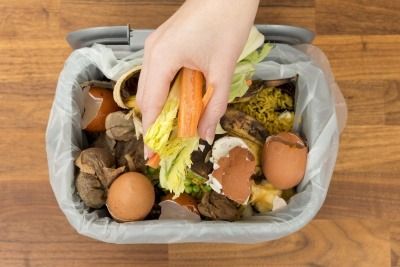
The changes have been made to allow separate food waste collections to take place on the same day as recycling and household waste collections.
Over 50,000 residents have already been provided with 5-litre kitchen caddies, 23-litre collection caddies and rolls of liners to prepare for the roll-out of food waste collections.
The Council has estimated that 41 per cent of household waste could go into food waste, and a further 18 per cent could go into dry recycling bins. To encourage residents to recycle more over the coming months, 240-litre refuse bins will be replaced with smaller 140-litre bins.
In a statement to residents, a spokesperson from Reading Borough Council said: “We would like to thank everyone who has contributed to our food waste collections over the first few days.
Yesterday alone our crews collected 25 tonnes - more than double what we originally estimated. We are asking residents to please join in and keep using the service, and keep using your red recycling bin too.”
Adele Barnett-Ward, Lead Councillor for Neighbourhoods and Communities, continued: “We’re not expecting to collect 25 tonnes every day: some residents had been using their food waste bins for longer than a week, so as the new service settles in we expect to collect less.
“What this shows, though, is residents’ willingness to support the service. On the first day of operation residents helped us divert more than twice the expected amount from landfill, where it will generate electricity and fertiliser instead of releasing methane.”


Get our weekly digest
resource.co article ai

How will the government and DMOs address the challenges of including glass in DRS while ensuring a level playing field across the UK?
There's no easy solution to include glass in the DRS while maintaining a level playing field. Potential approaches include a phased introduction of glass, potentially with higher deposits to reflect its logistical challenges. The government and DMOs could incentivise innovation in glass packaging design and subsidise dedicated return points for glass-handling. Exemptions for smaller businesses unable to handle glass might also be necessary. Any successful solution will likely blend several approaches. It must address the differing priorities of devolved administrations, balance environmental benefits with logistical and cost implications, and be supported by robust consumer education campaigns emphasizing the importance of glass recycling.