

The Waste and Resources Action Programme (WRAP) has issued new guidance meaning supermarket retailers across the country will be collecting and recycling more types of plastic bags and wrappers by the end of the year, in line with the UK Plastics Pact.
With plastics causing the most confusion for customers in terms of their recyclability – particularly flexible plastic packaging – the new guidance aims to promote in-store recycling for all types of flexible plastic packaging.
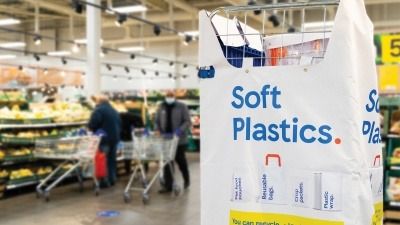
The range of plastic bags and wrappers to be collected in-store and taken for recycling currently includes plastic polythene bags, bread bags, magazine wrappers and cereal liners. By the end of the year, this is set to expand to include materials like salad bags, biscuit wrappers and crisp packets.
WRAP’s guidance aims to guide supermarket retailers in introducing consistent in-store collections for flexible plastic packaging, and encouraging supermarkets to recognise the importance of refining marketing messages, branding and design.
The announcement follows Tesco’s roll-out of in-store collection points in March this year, which covered 171 stores across the South West and Wales.
Other retailers are also trialling collections of this kind across the country: Sainsbury’s is trialling collections in the North East, while Co-op is trialling collections in 51 stores across the South East.
Marcus Gover, CEO WRAP, commented: “I am delighted that, through the UK Plastics Pact, the proportion of the population able to recycle all types of plastic bags and wrapping at supermarkets is on the increase, and we expect that by the end of the year it will be widely available.
“It is a critical step forward when just 6 per cent of plastic bags and wrapping currently get recycled – despite making up 22 per cent of all plastic packaging by weight. Ensuring that consumers have consistent information on where to recycle plastic bags and wrappers is also critical.”
Iain Ferguson, Environment Manager, Co-op, said: “Co-op is committed to making it easy for households to recycle all of their plastic food packaging, to prevent unnecessary waste and reduce pollution.
“Our own trials inform us that shoppers support simple solutions to these everyday issues with accessible disposal routes and clear messaging. We welcome the industry guidance which is designed to simplify recycling for consumers.”
Mike Maxwell from UK plastic bag and wrapping recycler Jayplas added: “Our film sortation plant will sort this material by polymer type and colour and will contribute towards the UK significantly – increasing its recycling rates under the aims of the UK Plastics Pact.”
Mike Baxter, External Affairs Director at plastics recycler Berry Group, commented: "Having already recycled front of store collected plastic packaging, we well understand the challenges.
“We have proved these materials can be recycled and most importantly, re-manufactured into new packaging.
“However, we can’t do this on our own, all stakeholders have an important role to play. Especially by ensuring purchasers of packaging specify front of store recyclate is included in raw material specifications.”


Get our weekly digest
resource.co article ai

How will the government and DMOs address the challenges of including glass in DRS while ensuring a level playing field across the UK?
There's no easy solution to include glass in the DRS while maintaining a level playing field. Potential approaches include a phased introduction of glass, potentially with higher deposits to reflect its logistical challenges. The government and DMOs could incentivise innovation in glass packaging design and subsidise dedicated return points for glass-handling. Exemptions for smaller businesses unable to handle glass might also be necessary. Any successful solution will likely blend several approaches. It must address the differing priorities of devolved administrations, balance environmental benefits with logistical and cost implications, and be supported by robust consumer education campaigns emphasizing the importance of glass recycling.