

The Plastic Packaging Tax has come into force today (1 April), placing a £200 per tonne levy on UK-manufactured and imported plastic packaging that fails to include at least 30 per cent recycled content.
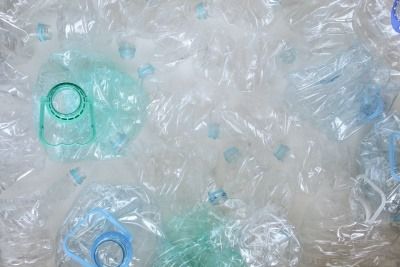
Categories of packaging falling within the scope of the tax include:
- Plastic packaging designed for use at any stage in the supply chain, such as single-use bottles, film designed to protect produce, and film designed to protect a product box and contents.
- Plastic packaging designed as single-use consumer packaging, such as plastic bags, disposable cups, and disposable plastic bowls and plates.
Categories exempt from the tax include:
- Plastic packaging where the primary function is for storage, such as toolboxes, first aid kits, and earphone/earbud cases.
- Plastic packaging that is an integral part of goods, such as inhalers, tea bags, and coffee capsules.
- Plastic packaging to be reused primarily for presentation, such as shop fittings, sales display shelves, and reusable meal trays.
- Transport packaging, defined as material that is used to both: transport multiple sales units or grouped packaging, and prevent damage during transportation.
A consultation on a tax on plastic packaging was first launched in the UK Government’s spring budget statement in 2018, drawing the largest response ever to a Treasury consultation with more than 162,000 responses received between 13 March and 18 May. In the Government’s autumn budget statement of the same year, the tax was officially announced alongside a further consultation ahead of its implementation.
In 2020, a minimum threshold for the tax was set, exempting businesses producing less than 10 tonnes of packaging per year to protect smaller businesses from disproportionate charges.
Sian Sutherland, A Plastic Planet co-founder, says the tax does not go far enough: "A Plastic Planet called for it, and nearly four years after it was announced the world's first plastic packaging tax has finally been delivered. But the result is underwhelming, with a raft of concerns sprouting from its design.
"First off, there needs to be clarity around who will be policing it, ensuring that packaging producers are held accountable for complying with it. We've witnessed this before, when loopholes are made available to industry, we will fail.
"Secondly, the tax doesn't go far enough. 30 per cent recycled content is a drop in the vast plastic waste ocean, and fails to incentivise a dramatic shift away from virgin plastic. This tax needs to go further. All plastic should be taxed because, unless incinerated, eventually all of it ends up in our environment. Plastic was never designed to be circular.
"A plastic tax can be a powerful tool for inspiring industry to move away from this toxic, highly polluting material, but only if it is delivered right. We therefore call on the Government to urgently strengthen its tax with robust measures which will force the hand of industry to turn off the plastic tap."
Christian Schiller, Co-founder and CEO of cirplus, called the tax a ‘great start’, stating: “This tax means real momentum towards a circular economy for plastics, and digitisation is key to truly closing the loop.
“The recycling and plastic value chain must rely on transparent global supply chains for recycled plastics and plastic waste feedstock. This is only achieved if digital technology is deployed across the board, starting from waste pick-up to recycling until the plastic is back in your next shampoo bottle.
“The Government should therefore use the tax to inspire better design for recycling, and fund research and development into better recycling technologies, as well as embracing the crucial role that digitisation has to play in this space. No data, no markets for recyclates.
“The tax is a great start in combating the plastic crisis, but there is still plenty of work to do.”


Get our weekly digest
resource.co article ai

How will the government and DMOs address the challenges of including glass in DRS while ensuring a level playing field across the UK?
There's no easy solution to include glass in the DRS while maintaining a level playing field. Potential approaches include a phased introduction of glass, potentially with higher deposits to reflect its logistical challenges. The government and DMOs could incentivise innovation in glass packaging design and subsidise dedicated return points for glass-handling. Exemptions for smaller businesses unable to handle glass might also be necessary. Any successful solution will likely blend several approaches. It must address the differing priorities of devolved administrations, balance environmental benefits with logistical and cost implications, and be supported by robust consumer education campaigns emphasizing the importance of glass recycling.