

Swiss research group Earth Action For Impact calculates that global plastic waste generation will reach 225 million tonnes in 2025, surpassing worldwide management capacity on 5 September
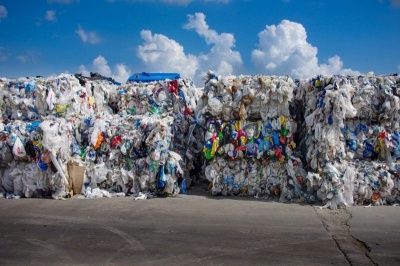
The mismatch between annual global production and recycling capacity for plastic has been marked today (5 September), in what is labelled Plastic Overshoot Day.
The date, calculated by Earth Action For Impact - a Swiss-based research consultancy, delineates the point when global plastic waste generation exceeds worldwide capacity to effectively manage it. For the next 117 days, until the end of the year, the world will be in a state of 'plastic overshoot,' where all plastic waste generated is mismanaged and becomes environmental pollution.
The organisation's latest analysis states 225 million tonnes of plastic waste will be generated globally in 2025, representing a 5 million tonne increase from 2024. This excess will result in an estimated 72 million tonnes of plastic being mismanaged and polluting the environment.
Earth Action says that 12 countries are responsible for 60 per cent of the world's mismanaged plastic waste: China, India, the Russian Federation, Brazil, Iran, Mexico, Vietnam, Indonesia, Egypt, Pakistan, the United States, and Turkey.
China generates the largest volume of waste, producing 25 per cent of the global total. India, whilst generating 5 per cent of the world's plastic waste, is the second-largest contributor to mismanaged waste at 11 per cent, having mismanaged 70 per cent of its own output.
By May 2025, almost half of the world's population was already living in areas where plastic waste generation had surpassed local management capacity. By September, this figure had risen to nearly 80 per cent.
The date has shown some improvement since 2021, when Plastic Overshoot Day fell earlier, on 28 August, but Earth Action warns this does not represent the full picture of the crisis.
Country classifications reveal waste export issues
The United Kingdom's individual Plastic Overshoot Day falls on 9 December 2025. Earth Action classifies the UK as an ‘Overloader’, generating high per-capita waste at 60 kg per person, while exporting 12.4 per cent of its total waste, which can overload the systems of importing countries. Data released last year by CleanHub named the UK as the third largest exporter of plastic waste globally, exporting 600,000 per year.
Other ‘Overloader’ countries include the United States, Australia and France, all characterised as high-waste generating nations with good domestic management that also export significant amounts, burdening other nations.
India falls into the category of ‘Low-Waste-Producing Polluters’. These are countries that generate low per-capita waste but exhibit poor management practices that contribute significantly to global pollution due to large populations.
Another of EA’s archetypes, labelled ‘The Toxic Waste Producers’, are nations such as Oman, the United Arab Emirates, Kuwait, and Qatar which have very high plastic consumption combined with very high levels of mismanagement.
The global average plastic waste generated per person stands at 28 kg annually. Packaging accounts for 33 per cent of plastic production, followed by textiles at 17 per cent and other short-lifetime plastics at 5 per cent.
UN treaty delays
The Plastic Overshoot Day announcement comes after the collapse of UN plastic treaty negotiations in August 2025, where talks failed to reach agreement for a legally binding treaty on plastic pollution.
The negotiations stalled over fundamental disagreements between more than 100 countries seeking caps on plastic production and oil-producing nations wanting the treaty to focus primarily on waste management and recycling.
Despite the lack of multilateral agreement, Earth Action warns that plastic pollution already poses significant business risks, with corporate liabilities projected to exceed $20 billion by 2030.
"The absence of a global plastics treaty doesn't mean the absence of risk for the planet and business. Plastic Overshoot Day is a stark reminder of the plastic crisis we still face," said Sarah Perreard, Co-CEO at Earth Action For Impact. "While multilateral negotiations continue to stall, plastic pollution is actively impacting the business environment through increased state regulation, litigation against companies, and mounting liabilities."
Yoni Shiran, Partner and Plastics Lead at Systemiq, commented: "Plastic Overshoot Day highlights the imbalance between our production patterns and our capacity to manage waste responsibly. This is not a problem we can recycle our way out of."
Shiran added that Earth Action will soon launch the Packaging Data Hub alongside Systemiq as a "single source of truth" on packaging data, aimed at helping companies, governments, investors and other stakeholders make better data-based decisions.
This platform aims to provide comprehensive information on the entire lifecycle of packaging materials globally, supporting better decision-making to improve product design and policy decisions whilst increasing system transparency.


Get our weekly digest
resource.co article ai

How will the government and DMOs address the challenges of including glass in DRS while ensuring a level playing field across the UK?
There's no easy solution to include glass in the DRS while maintaining a level playing field. Potential approaches include a phased introduction of glass, potentially with higher deposits to reflect its logistical challenges. The government and DMOs could incentivise innovation in glass packaging design and subsidise dedicated return points for glass-handling. Exemptions for smaller businesses unable to handle glass might also be necessary. Any successful solution will likely blend several approaches. It must address the differing priorities of devolved administrations, balance environmental benefits with logistical and cost implications, and be supported by robust consumer education campaigns emphasizing the importance of glass recycling.