

WRAP’s Circular Films report suggests that storage, contamination, and infrastructure barriers remain ahead of 2027 mandatory kerbside collection.
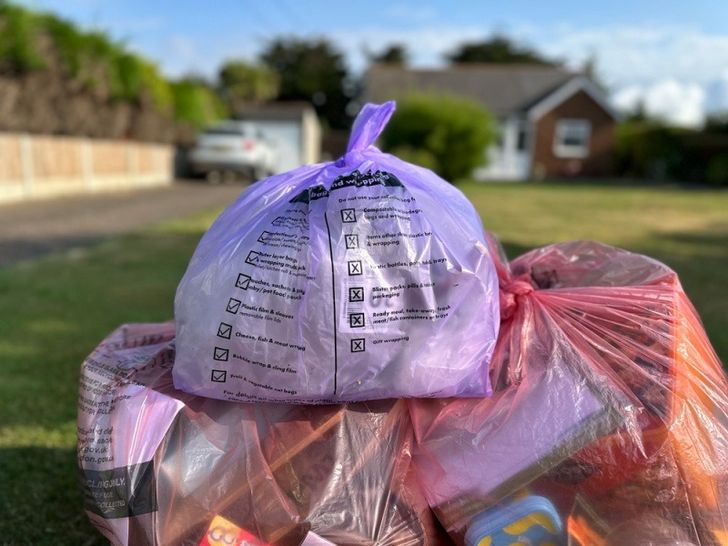
The plastic recycling sector faces an enormous challenge if all English local authorities meet the Government target to separately collect plastic films and flexible packaging by April 2027.
According to a report published by the Waste and Resources Action Programme (WRAP), key barriers need to be addressed in order to provide the processing capacity to meet the mandatory kerbside collection requirements.
The ‘Circular Films: Pathways to Scalable Recycling’ report identifies five strategic pathways to transform the UK's plastic film recycling system, which currently processes just seven per cent of the flexible plastic placed on the market each year.
It estimates annual volumes of consumer film entering the UK market could range from 336,000 to 450,000 tonnes, with mono-polyethylene (mono-PE) and mono-polypropylene (mono-PP), which are recyclable is properly sorted and collected, making up 68 per cent of plastic films placed on the market.
However, WRAP’s analysis for the Plastic Pact found that only 12 per cent of Local Authorities offered kerbside collection for film in 2023, capturing just a fraction of the total waste.
Based on interim findings from industry trials, such as the FlexCollect trial launched last year, England’s mandated kerbside collection of film could yield around 123,000 tonnes, contributing five per cent to UK recycling rates. However, infrastructure readiness could cause constraints on the reality of this contribution.
Challenges to plastic film recycling
Multiple operational challenges are currently limiting the recyclability of these materials, including the lightweight nature of films, polymer diversity, contamination levels, multi-layer structures, citizen participation, on-site storage limitations, and required technological advancements.
“Achieving scaled film recycling is key to a more circular plastics economy, but progress is held back by low material value, limited infrastructure, and restricted technological capability. These issues are compounded by cheap imports, unverified claims and alleged systems fraud,” the report states.
With Simpler Recycling to introduce mandatory collection, the sector faces significant preparation challenges as well. WRAP identifies constraints from permitting and planning delays, current contractual commitments, and lengthy equipment lead times as key barriers to infrastructure development.
Five pathways to scalable recycling
The report outlines five recommendation areas to counter these issues:
- Recyclability by design: Plastic film packaging should be designed for recyclability from the outset. This could include transition to mono-material films, increasing the recyclable portion of film packaging, reducing inks and labels, adopting clearer design guidelines, and ensuring designs are compatible with existing sorting and reprocessing capabilities.
- Scaling collection, sorting and reprocessing infrastructure: Investment and expansion of infrastructure could include developing both kerbside and front-of-store collection networks, enhancing material separation technology, building domestic facilities, developing non-mechanical recycling technologies, and anticipating the increase in collected film after mandatory kerbside collection begins.
- Strengthening domestic end markets: To create demand for recycled film content, retailers and brands should be encouraged through government policies favouring recycled content in public sector purchasing, setting higher mandatory content targets, standardising specifications, and preventing false recycled content claims.
- Policy and financial mechanisms: These include reforming packaging Extended Producer Responsibility fees to fully cover film collection and recycling costs, introducing film-specific recycling targets, and adjusting PRN/PERN incentives to reduce reliance on exports.
- Citizen engagement and communication: Targeted communication campaigns, consistent labelling, and greater education should be utilised to maximise consumer participation rates.


Get our weekly digest
resource.co article ai

How will the government and DMOs address the challenges of including glass in DRS while ensuring a level playing field across the UK?
There's no easy solution to include glass in the DRS while maintaining a level playing field. Potential approaches include a phased introduction of glass, potentially with higher deposits to reflect its logistical challenges. The government and DMOs could incentivise innovation in glass packaging design and subsidise dedicated return points for glass-handling. Exemptions for smaller businesses unable to handle glass might also be necessary. Any successful solution will likely blend several approaches. It must address the differing priorities of devolved administrations, balance environmental benefits with logistical and cost implications, and be supported by robust consumer education campaigns emphasizing the importance of glass recycling.