

Chemical recycling company Plastic Energy has commercialised char, a byproduct of its TAC recycling process, as a carbon black alternative for rubber manufacturing, reporting up to 89 per cent lower production emissions.
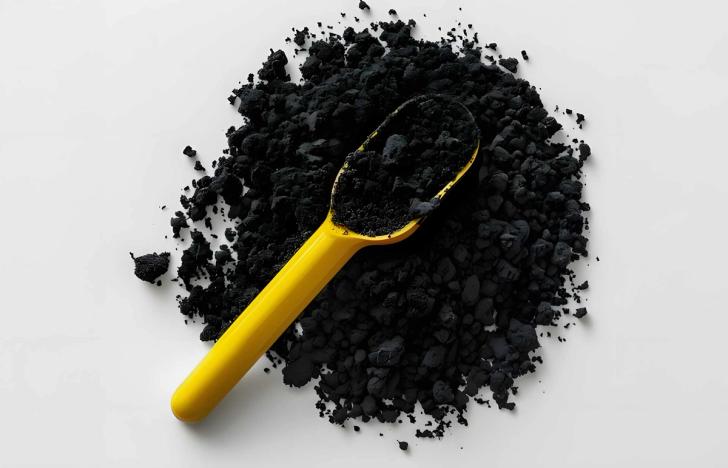
Plastic Energy has announced the commercialisation of its own brand of rubber filler material produced from char, a byproduct of its chemical recycling process. The company states the product, known as TACFILLER, can replace carbon black in rubber manufacturing, which it claims results in up to 89 per cent lower emissions than produced making conventional carbon black.
The London-based chemical recycling company claims to be the first in its sector to commercialise char from post-consumer plastic waste - notably including flexible plastics - for use in rubber applications.
Carbon black is added to rubber products to increase durability, particularly in tyre manufacturing, but results in an estimated 29 - 79 million metric tonnes of CO₂ emissions globally each year (equivalent to between 6 - 17 million cars annual emissions).
Industry testing and applications
Yusuf Güner, Group R&D Materials Senior Expert at Standard Profil, a manufacturer of automotive tested the material ‘validating its feasibility’ through replacing carbon black in products.
The rubber industry faces requirements under proposed EU regulations for end-of-life vehicles. The European Commission has proposed that vehicles contain at least 25 per cent recycled plastic content, with portions required to come from end-of-life vehicles. These requirements apply to plastics in vehicles, though the regulation also addresses broader circularity in vehicle design and materials recovery.
Plastic Energy's TAC process converts post-consumer plastic waste into TACOIL, a recycled feedstock used in plastic production. The char byproduct, previously a secondary output of this process, is now being marketed as TACFILLER.
Ian Temperton, Chief Executive Officer of Plastic Energy, said: "Carbon black is energy intensive, and the rubber industry needs alternatives. We're proud to lead our industry by creating new circular products from plastic waste."
The commercialisation of this by product comes as the chemical recycling sector faces questions about economic viability and environmental benefits. Analysis by Bain & Company found that pyrolysis, a common chemical recycling method, costs more than twice virgin plastic production, with 20 to 30 years needed to achieve cost parity.
A separate report by Zero Waste Europe suggested that pyrolysis may take 50 years to become commercially viable.
The rubber and tyre recycling sector has also faced regulatory challenges. The European Recycling Industries' Confederation published proposals in 2025 calling for binding recycled content targets in new tyres and automotive rubber parts to address market demand issues.
Plastic Energy operates two chemical recycling plants in Spain, which to date have processed 40,000 tonnes of plastic waste. The company is currently starting up two new plants in Europe: the JV plant with SABIC in Geleen (NL) will process 20,000 tonnes of plastic waste per year while the JV with TotalEnergies in Grandpuits (FR) will process 15,000 tonnes per year once fully operational.


Get our weekly digest
resource.co article ai

How will the government and DMOs address the challenges of including glass in DRS while ensuring a level playing field across the UK?
There's no easy solution to include glass in the DRS while maintaining a level playing field. Potential approaches include a phased introduction of glass, potentially with higher deposits to reflect its logistical challenges. The government and DMOs could incentivise innovation in glass packaging design and subsidise dedicated return points for glass-handling. Exemptions for smaller businesses unable to handle glass might also be necessary. Any successful solution will likely blend several approaches. It must address the differing priorities of devolved administrations, balance environmental benefits with logistical and cost implications, and be supported by robust consumer education campaigns emphasizing the importance of glass recycling.