

A petition organised by waste innovation company Reworked asking UK supermarkets to set up soft plastic recycling schemes in-store for their customers is gaining traction on Change.org.
The petition mentions household names such as Sainsburys, Asda and Aldi, demanding a free solution for flexible plastic waste.
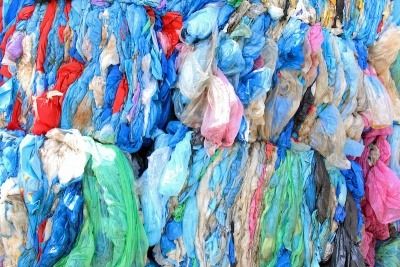
Food product packaging such as packaged fruit and veg, crisp packets, plastic film and carrier bags consists of soft plastic considered 'hard-to-recycle'.
Kerbside recyclers in the UK are yet to offer the service, leaving the duty to manufacturers and retailers.
Some retailers have begun offering soft plastic recycling via in-store collection points, however – earlier this year, Tesco announced a network of recycling points for soft plastic in 171 stores across the South West of England and Wales, whilst Co-op revealed that similar recycling units will launch in 1,500 Co-op stores this month, and 2,300 stores by November 2021.
ReWorked provides these supermarkets with full-service recycling for plastic waste historically considered 'non-recyclable’, such as soft plastic.
Izzie Glazzard, Marketing Manager at ReWorked, commented: "Through innovation and experimentation, we've developed a process to take flexible plastics and remanufacture them into new products.
“We're challenging the impossible and are now seeking to partner with a UK supermarket to bring soft plastic recycling into the mainstream.
“With the UK public becoming more environmentally conscious, creating a free, UK wide accessible scheme for flexible plastics is undoubtedly needed.”


Get our weekly digest
resource.co article ai

How will the government and DMOs address the challenges of including glass in DRS while ensuring a level playing field across the UK?
There's no easy solution to include glass in the DRS while maintaining a level playing field. Potential approaches include a phased introduction of glass, potentially with higher deposits to reflect its logistical challenges. The government and DMOs could incentivise innovation in glass packaging design and subsidise dedicated return points for glass-handling. Exemptions for smaller businesses unable to handle glass might also be necessary. Any successful solution will likely blend several approaches. It must address the differing priorities of devolved administrations, balance environmental benefits with logistical and cost implications, and be supported by robust consumer education campaigns emphasizing the importance of glass recycling.