

Intellectual property firm Mathys and Squire has reported that 2,149 patents for plastic recycling were filed last year, indicating a record high, up seven per cent from 2021 and an eightfold increase since 2016.
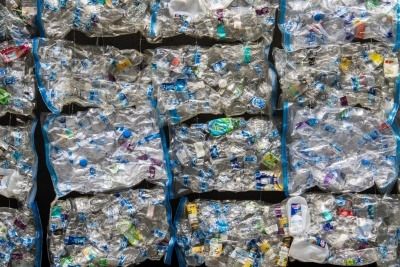
Competition to develop technology that will produce clear recycled plastic is prevalent within the plastic recycling industry, the firm says. This is due to consumer expectations that ‘premium products’ consist of clear recycled plastic, as opposed to those with a ‘yellow or grey tinge’.
As a result of this demand, various methods for separating and sorting clear recycled Polyethylene Terephthalate (PET) are being tested with the aim of achieving a ‘higher quality feed’ of recycled plastic that will provide this ‘desired lack of colour’. Such methods include the use of fans, centrifuges, lasers, and optical lenses.
Finding a source of clear recycled plastic has therefore become the aim of global brands, partially due to consumer and regulatory pressure to reduce or even eliminate virgin plastic from supply chains.
For example, Coca-Cola and Pepsi have each pledged to use at least 50 per cent recycled PET by 2030.
Currently, 85 metric tonnes of PET plastic are produced globally. Mathys and Squire predict that the company to ‘perfect clear recycled plastic’ could generate large revenues from licensing its technology, as a result of pressure on corporates to use an increased amount of recycled PET.
China is ‘leading the way in patent filings’ with companies filing 1,970 patents relating to plastic recycling last year, the firm highlights. This is 1,937 more than India, which was second place.
In July of last year, China’s National Development and Reform Commission, which oversees the economic planning of mainland China, published a five-year plan to boost plastic recycling and incineration capabilities. The plan also commits to reducing single-use plastics.
Chris Hamer, Partner at Mathys and Squire, said: “The race is on to develop the holy grail of cost-effective, clear recycled PET. That is the key driver behind the surge in innovation we have seen in this area.
“Stakeholders are increasingly demanding low-carbon products, which in turn is creating a huge market for recycled plastics.
“Whoever can develop a cost-effective method of producing clear recycled plastic will be able to tap into what some major players estimate to be a potential £100 billion market.


Get our weekly digest
resource.co article ai

How will the government and DMOs address the challenges of including glass in DRS while ensuring a level playing field across the UK?
There's no easy solution to include glass in the DRS while maintaining a level playing field. Potential approaches include a phased introduction of glass, potentially with higher deposits to reflect its logistical challenges. The government and DMOs could incentivise innovation in glass packaging design and subsidise dedicated return points for glass-handling. Exemptions for smaller businesses unable to handle glass might also be necessary. Any successful solution will likely blend several approaches. It must address the differing priorities of devolved administrations, balance environmental benefits with logistical and cost implications, and be supported by robust consumer education campaigns emphasizing the importance of glass recycling.