

The Scottish Government has published its annual household waste statistics which note a slight dip in the calendar year of 2020 for recycling rates, though an overall reduction in the amount of material sent to landfill.
Household waste recycling rates dropped 2.9 percentage points from 44.9 per cent the year prior to 42 per cent in 2020, with this 66,000 tonne reduction being largely attributed by the Government to the pandemic. Restrictions resulted in the amount of waste recycled being ‘the lowest recorded since 2013’ according to the report, further evidenced by the fact that the total amount of household waste generated across the country in 2020 increased by 7,000 tonnes (0.3 per cent) from the previous year, amounting to 2.4 million tonnes.
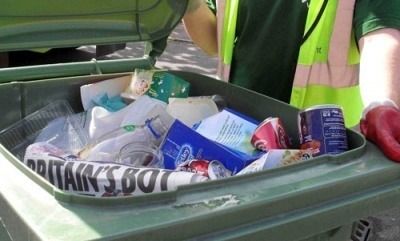
In terms of the breakdown of these recycling figures, certain materials performed better than others. Significant decreases were noted by the report in the recycling of construction and soils, decreasing by 26,000 tonnes (14.9 per cent) and in the composting of vegetal wastes, decreasing by 17,000 tonnes (5.7 per cent). In contrast to this, substantial gains were made within the recycling of glass waste, increasing by 15,000 tonnes (14.4 per cent) and plastic waste, increasing 5,000 tonnes (8.3 per cent).
According to the report, the three local authorities with the highest recycling rates were:
- Angus (57.9 per cent)
- East Renfrewshire (56.6 per cent)
- South Ayrshire (55.3 per cent)
The three local authorities with the lowest recycling rates were:
- Orkney Islands (23.4 per cent)
- Glasgow City (29.6 per cent)
- Dumfries and Galloway (30.1 per cent)
Whilst recycling rates fluctuated, landfilled waste saw an overall reduction of 98,000 tonnes (13 per cent) across the year, reaching a rate of 660,000 tonnes in 2020. With this being the ninth consecutive year in which landfilled household waste decreased, Scotland has seen since 2011 a total reduction of 794,000 tonnes (54.6 per cent) of the material. The gross amount of waste managed by other diversion from landfill increased by 171,000 tonnes (26.7 per cent), reaching a rate of 748,000 annual tonnes.
Of this figure, the majority of the diverted waste was managed through incineration, with this proportion increasing by 152,000 tonnes (33.6 per cent) in comparison to 2019, reaching a figure of 606,000 tonnes (81 per cent of the total amount). In spite of this, the carbon impact of Scotland’s household waste actually decreased by 225,000 TCO2e from the year prior, reaching a total of 5.4 million TCO2e. Equating to 1.00 TCO2e per person, the nation has seen a reduction in emissions of 1.33 million TCO2e since 2011.
Forging ahead, the Scottish Government hopes to attain the household recycling target it has set for itself of attaining a 70 per cent collection rate by 2025. With the reduction in the amount of waste sent to landfill, however, the nation is slowly on its way to achieving the goal of sending no more than 5 per cent of remaining material to landfill set out in its Waste Regulations.


Get our weekly digest
resource.co article ai

How will the government and DMOs address the challenges of including glass in DRS while ensuring a level playing field across the UK?
There's no easy solution to include glass in the DRS while maintaining a level playing field. Potential approaches include a phased introduction of glass, potentially with higher deposits to reflect its logistical challenges. The government and DMOs could incentivise innovation in glass packaging design and subsidise dedicated return points for glass-handling. Exemptions for smaller businesses unable to handle glass might also be necessary. Any successful solution will likely blend several approaches. It must address the differing priorities of devolved administrations, balance environmental benefits with logistical and cost implications, and be supported by robust consumer education campaigns emphasizing the importance of glass recycling.