

OPRL survey of 5,041 consumers shows 89 per cent rely on packaging labels for recycling decisions, which indicates improvements in confidence and understanding since 2018 despite generational differences in digital adoption
New research from the On-Pack Recycling Label (OPRL) packaging labelling organisation reveals that packaging labels remain the primary driver for consumer recycling behaviour, with 89 per cent of British consumers using on-pack information when disposing of packaging.
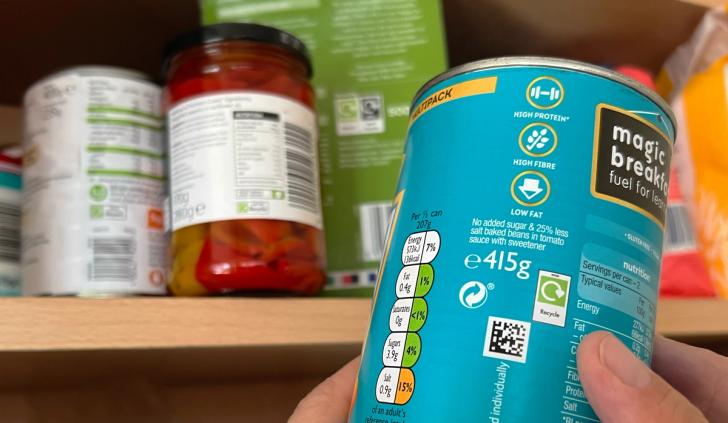
The survey of over 5,000 consumers found that 81 per cent specifically use OPRL 'Recycle' labels to guide their disposal decisions.
Its findings show marked improvements in consumer behaviour since 2018, with significantly more people expressing confidence about recycling and fewer citing lack of understanding as a barrier. Currently, 83 per cent of respondents believe ‘recycling is important’, representing a notable increase in positive sentiment over the seven-year period.
"Clear messaging and citizen behaviour change will make all the difference to the success of policies such as pEPR," said Jude Allan, Interim Managing Director at OPRL. "We need to engage members of the public if recyclable packaging is to reach the correct bin."
Consumer behaviour and barriers
Despite improved confidence levels, OPRL notes that consumers still face challenges when recycling information is unclear or inconvenient. Without proper guidance, people reported that they 'go with their gut' and guess disposal methods, potentially leading to contamination and leakage from recycling systems.
The research points to the effectiveness of combining explanation and storytelling with clear labelling. Simple guidelines achieve higher compliance rates, but additional context can encourage actions requiring more effort. Survey respondents demonstrated greater willingness to follow instructions like 'Scrunch' when they understood the impact on recycling effectiveness, while actions such as 'Empty' and 'Remove film' received more immediate acceptance.
According to the survey, 72 per cent of consumers identify OPRL labels as the best indicator that packaging can be recycled. Additionally, 91 per cent reported recognising its 'Recycle' label and feeling confident about its meaning.
Digital engagement and generational differences
The research revealed significant generational variation in attitudes towards QR codes for recycling information. Two-thirds of consumers expressed openness to using QR codes, but adoption declined markedly with age. Among 18-34 year-olds, 83 per cent indicated willingness to use QR codes, compared to just 52 per cent of over-55s.
This digital divide reflects broader trends in smart packaging adoption, where QR codes increasingly provide access to detailed product information, recycling instructions, and local collection guidance.
The survey comes at a point that producers are adapting to packaging Extended Producer Responsibility (pEPR), which requires them to provide clear recyclability information.
Allan emphasised the continued importance of consumer engagement: "OPRL's latest research shows a strong trajectory since 2018, with improvement in understanding and confidence, as well as greater usage and awareness of OPRL labels. However, without the right information, people reported that they 'go with their gut' and guess how to dispose of waste."
The research covered 5,041 consumers across the UK, with 87 per cent from England, 8 per cent from Scotland, and 5 per cent from Wales, providing comprehensive geographic representation for national packaging policy development.


Get our weekly digest
resource.co article ai

How will the government and DMOs address the challenges of including glass in DRS while ensuring a level playing field across the UK?
There's no easy solution to include glass in the DRS while maintaining a level playing field. Potential approaches include a phased introduction of glass, potentially with higher deposits to reflect its logistical challenges. The government and DMOs could incentivise innovation in glass packaging design and subsidise dedicated return points for glass-handling. Exemptions for smaller businesses unable to handle glass might also be necessary. Any successful solution will likely blend several approaches. It must address the differing priorities of devolved administrations, balance environmental benefits with logistical and cost implications, and be supported by robust consumer education campaigns emphasizing the importance of glass recycling.