

Global brands, including Coca Cola and PepsiCo, today called for an international pact to tackle plastic pollution, urging for plastic production to be cut.
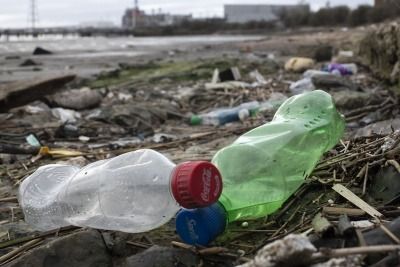
In a joint statement, the group of more than 70 signatories urged UN member states to establish an International Negotiation Committee at the next UN Environment Assembly (UNEA 5.2) to develop ‘an ambitious international, legally binding instrument on plastic pollution’ that will ‘keep plastics in the economy and out of the environment, reduce virgin plastic production and use, and decouple plastics production from the consumption of fossil resources’.
The statement outlines the need to set a ‘clear direction’, aligning governments, businesses and civic society behind a common understanding of the causes of plastic pollution, and establishing a shared approach to address them. The signatories also call for the establishment of a ‘robust governance structure’, which will hold countries to account.
"We are at a critical point in time to establish an ambitious U.N. treaty," the statement said, noting that any deal should "reduce virgin plastic production and use."
"UNEA 5.2 is the decisive, most auspicious moment to turn the tide on the global plastic pollution crisis. We cannot afford to miss it," the statement said.
The UNEA 5.2 conference is scheduled to take place between 28 February and 2 March, with world officials gathering to negotiate a treaty to tackle the plastic waste crisis. It remains unclear whether any deal will focus on waste management and recycling, or take tougher steps such as curbing new plastic production.
This comes as the latest in a series of calls from NGOs and businesses alike, with WWF highlighting the need for a plastic pollution treaty in its September report, ‘Plastics: The cost to society, environment, and the economy’.
In a white paper, the Ellen MacArthur Foundation set out its position on a potential treaty, stating that such an agreement would be the ‘next step’ in scaling the voluntary pacts already in place to tackle the plastics crisis. Without action, EMF warned, the next 20 years would see the quantity of plastic on the market double, the annual volume of plastic entering the ocean triple, and ocean plastic stock quadruple.


Get our weekly digest
resource.co article ai

How will the government and DMOs address the challenges of including glass in DRS while ensuring a level playing field across the UK?
There's no easy solution to include glass in the DRS while maintaining a level playing field. Potential approaches include a phased introduction of glass, potentially with higher deposits to reflect its logistical challenges. The government and DMOs could incentivise innovation in glass packaging design and subsidise dedicated return points for glass-handling. Exemptions for smaller businesses unable to handle glass might also be necessary. Any successful solution will likely blend several approaches. It must address the differing priorities of devolved administrations, balance environmental benefits with logistical and cost implications, and be supported by robust consumer education campaigns emphasizing the importance of glass recycling.