

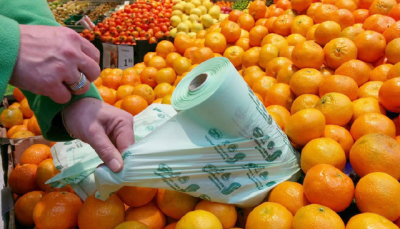
Italian bioplastics and biochemicals company Novamont has announced its acquisition of BioBag Group, a Norwegian waste collection and packaging supplier.Through this acquisition, the two companies are aiming to form alliances with key stakeholders such as large retailers and communities. This announcement paves the way for the companies’ projects to enhance separate organic waste collection and composting systems in North America, Scandinavia, Eastern Europe and Australia.Novamont’s stated reasons for acquiring BioBag Group are threefold: shared values surrounding the importance of making the bioeconomy circular; a complementary value chain; and more opportunity for product development and geographical expansion.BioBag will continue to operate as an independent organisation with the same leadership team.Novamont’s CEO Catia Bastioli said: “This agreement allows Novamont to expand its model of circular bioeconomy. By joining our best skills and energies and fully integrating our supply chains we can better serve our partners upstream and downstream while further accelerating circular solutions for different market sectors and for communities pursuing our goal of producing more with less.”BioBag’s CEO Kjell Ivar Bache commented: “I’ve been close partners with Novamont for decades and for BioBag this is like coming home.
“With Novamont, BioBag becomes part of a world-leading bioplastics and biochemicals company. This will enable further international growth together. We are truly excited!”


Get our weekly digest
resource.co article ai

How will the government and DMOs address the challenges of including glass in DRS while ensuring a level playing field across the UK?
There's no easy solution to include glass in the DRS while maintaining a level playing field. Potential approaches include a phased introduction of glass, potentially with higher deposits to reflect its logistical challenges. The government and DMOs could incentivise innovation in glass packaging design and subsidise dedicated return points for glass-handling. Exemptions for smaller businesses unable to handle glass might also be necessary. Any successful solution will likely blend several approaches. It must address the differing priorities of devolved administrations, balance environmental benefits with logistical and cost implications, and be supported by robust consumer education campaigns emphasizing the importance of glass recycling.