

The Områ facility in Oslo uses automated mixed waste sorting to process 90,000 tonnes of plastic annually, aiming to handle 80 per cent of Norway's plastic packaging waste by 2030 as European recycling capacity contracts and regulatory targets tighten
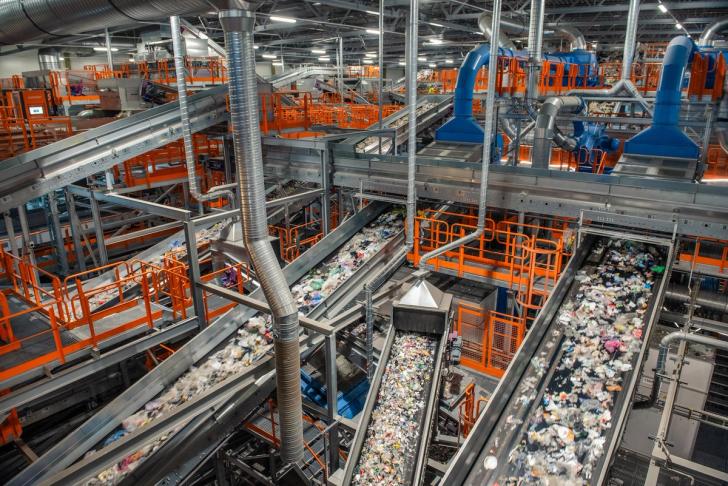
A joint venture between TOMRA, a sensor-based sorting technology provider, and Plastretur, Norway's producer responsibility organisation for plastic packaging, has opened a facility designed to process 90,000 tonnes of plastic packaging waste a year. The Områ facility, located at Holtskogen outside Oslo, uses automated mixed waste sorting to separate materials into ten distinct polymer fractions.
The facility's opening happens at a time when Europe's plastic recycling sector has reported mounting pressures. Between January and July 2025, European recycling capacity losses matched the entire year of 2024, with nearly one million tonnes of capacity expected to disappear by the end of 2025. The Netherlands, Germany and the United Kingdom have experienced significant facility closures, with Plastics Recyclers Europe warning the sector faces "imminent collapse" without policy intervention.
The Norwegian facility aims to increase domestic recycling rates by processing household plastic packaging waste that would otherwise be incinerated. Currently, only a third of the country’s packaging waste is recycled.
The Packaging and Packaging Waste Regulation, which came into force in February 2025, requires EU member states to recycle a minimum of 55 per cent of plastic packaging waste by 2030. Norway, while not an EU member state, operates within the European Economic Area and faces similar regulatory pressures.
Sensor-based sorting infrastructure
The facility employs 33 TOMRA infra-red sorting machines to separate materials from residual waste streams. The technology identifies plastics by polymer type, creating ten separate fractions: low density polyethylene transparent and coloured, polypropylene film and rigid, high density polyethylene, PET bottles and trays, polystyrene, and two grades of mixed polyolefins. The sorted fractions are baled for sale to recyclers.
The facility is designed to serve as an offtake solution for municipalities and waste management companies implementing automated mixed waste sorting. By 2030, the facility aims to process approximately 80 per cent of Norway's plastic packaging waste.
Tove Andersen, president and CEO of TOMRA, stated: "This facility has the capacity to receive and transform all of Norway's household plastic packaging waste into recyclable fractions. It is a cornerstone piece of infrastructure providing reliable offtake for mixed waste sorting facilities."
Karl Johan Ingvaldsen, CEO of Plastretur, added: "It provides the infrastructure needed to meet EU recycling targets and supports our shared ambition to build a circular plastics economy.”
Europe's installed recycling capacity reached 13.2 million tonnes in 2023, falling short of the estimated 16 million tonnes required by 2025 to meet recycled content targets under the PPWR. The regulation mandates minimum percentages of post-consumer recycled content in plastic packaging by 2030, ranging from 10 per cent to 35 per cent depending on polymer type and application.


Get our weekly digest
resource.co article ai

How will the government and DMOs address the challenges of including glass in DRS while ensuring a level playing field across the UK?
There's no easy solution to include glass in the DRS while maintaining a level playing field. Potential approaches include a phased introduction of glass, potentially with higher deposits to reflect its logistical challenges. The government and DMOs could incentivise innovation in glass packaging design and subsidise dedicated return points for glass-handling. Exemptions for smaller businesses unable to handle glass might also be necessary. Any successful solution will likely blend several approaches. It must address the differing priorities of devolved administrations, balance environmental benefits with logistical and cost implications, and be supported by robust consumer education campaigns emphasizing the importance of glass recycling.