

The North London Waste Authority (NLWA) is urging the UK Government to introduce a further ban on unrecyclable plastics to curb household waste production, as well as the immediate introduction of a 50p charge on single-use coffee cups.
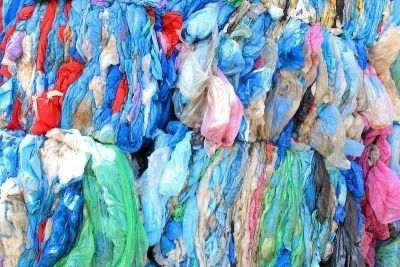
Its calls follow The Big Plastic Count report conducted by Greenpeace and NGO Everyday Plastic, which found that UK households produce 100 billion pieces of plastic waste a year, claiming that ‘only 12 per cent is recycled’.
The majority of this wasted plastic is unrecyclable, NLWA says, the prime example being soft plastics and items such as takeaway coffee cups, which are made of composite materials – created by combining two substances to make a fit-for-purpose product.
The waste authority notes that common items such as flexible plastic covering fruit and vegetables, crisp packets and bubble wrap are difficult to recycle, resulting in ‘extremely poor-quality materials with little value.’ Although some supermarkets offer recycling points for these products, there is minimal UK infrastructure available to match consumption.
NLWA is urging the Government to legislate on the overproduction of these materials. The UK has seen successful bans on plastic straws, stirrers and plastic-stemmed cotton buds, with the waste authority urging that this be extended to takeaway polystyrene containers, plastic cutlery and plates, and the flexible plastic covering fruit and vegetables is likely to see similar success. The 50p charge on single-use coffee cups suggested by the NLWA could help reduce the 2.5 billion cups disposed of each year.
The body also reiterated its call to the UK Government to implement Extended Producer Responsibility in 2023, as well as end delays to the Deposit Return Scheme.
NLWA chair, Councillor Clyde Loakes, said: “No one needs fossil-fuel-based plastic smothering broccoli or plastic nets for oranges.
“It’s vital that the UK cuts down on unnecessary waste that can’t be recycled or reused. And the best way to tackle unecological waste is not once it ends up in the bin but at the very beginning – manufacturers should not produce it at all and focus instead on sustainable alternatives.”


Get our weekly digest
resource.co article ai

How will the government and DMOs address the challenges of including glass in DRS while ensuring a level playing field across the UK?
There's no easy solution to include glass in the DRS while maintaining a level playing field. Potential approaches include a phased introduction of glass, potentially with higher deposits to reflect its logistical challenges. The government and DMOs could incentivise innovation in glass packaging design and subsidise dedicated return points for glass-handling. Exemptions for smaller businesses unable to handle glass might also be necessary. Any successful solution will likely blend several approaches. It must address the differing priorities of devolved administrations, balance environmental benefits with logistical and cost implications, and be supported by robust consumer education campaigns emphasizing the importance of glass recycling.