

ESA calls for ban on retail sales of large nitrous oxide cylinders as waste sector reports rising explosion damage at energy-from-waste facilities treating household waste
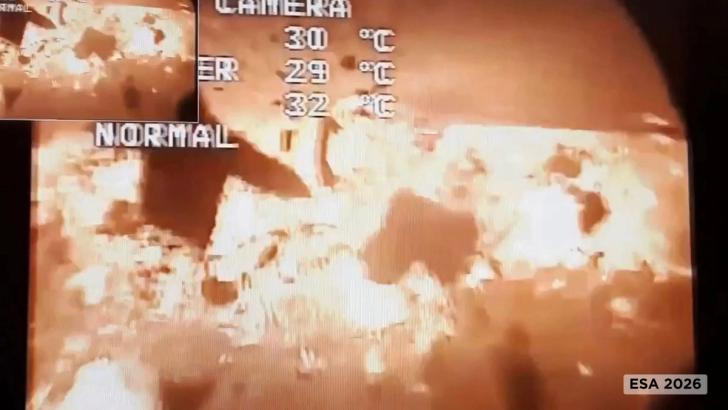
Energy-from-waste facilities across the UK are experiencing a sharp increase in explosions caused by discarded nitrous oxide cylinders, with some plants reporting up to six significant incidents per day, according to the Environmental Services Association (ESA).
The ESA reports the growing volume of large pressurised cylinders entering the waste stream is resulting in substantial costs, estimating that costs at a single plant can exceed £1.5 million per year.
Small, single-use cartridges have long posed a problem for the waste sector, entering household bins in large volumes and proving difficult to detect among general waste. But the reclassification of nitrous oxide as a Class C drug in November 2023, which made recreational possession illegal, has added a more dangerous dimension. The ESA says the change has also pushed some users towards larger cylinders, typically weighing more than 2kg and containing 600–700g of the gas, which cause significantly greater damage when they explode. Somewhat paradoxically, those found in possession of larger cylinders can more easily claim legitimate use, making enforcement harder.
The scale of the problem is evident across the sector. Suez, which operates 10 EfW plants in the UK, recorded 7,000 canister explosions across its fleet last year, at a reported cost of approximately £7 million when factoring in both repairs and business interruption. Veolia has reported 2,300 explosions at its south-east London facility and a further 200 at its Newhaven plant.
Canisters of all sizes are entering the waste stream. At Cory's Riverside 1 facility in London, plant manager David Crawford said the company identified around 670,000 canisters in the waste it processed last year, of which approximately 4,000 exploded. "A canister rupturing is akin to a small explosive going off, causing damage to machinery and making it challenging for us to process waste safely," Crawford said.
When cylinders that retain residual pressurised gas enter a furnace, the rapid heating causes them to explode, puncturing holes in furnace linings designed to burn a more conventional waste mix. Unplanned shutdowns follow, triggering additional costs for start-up fuel, repairs, maintenance and replacement parts. The ESA says the industry has invested in AI detection systems and additional safeguards, but that some cylinders inevitably get through.
Call for more regulation
The ESA is calling for a tiered response. In the short term, regulators and enforcement bodies should ensure retailers carry out meaningful checks to prevent misuse, alongside mandatory on-cylinder warnings and clearer instructions for safe disposal. It says that it is also exploring the use of amnesty containers at major events and secure drop-off points at household waste recycling centres.
In the medium term, the association wants the government to ban open retail sales of large pressurised cylinders with valves, restricting purchases to legitimate commercial buyers, and to bring forward proposals for consultation this year.
John Scanlon, ESA Chairman and Executive Vice President UK at SUEZ Group, said the reclassification appeared to have done little to curb substance abuse and had instead driven a shift to larger cylinders: "A cursory search online shows these canisters are widely available, with minimal checks to ensure the purchaser meets minimum age requirements and intends to put the gas to legitimate use."
Scanlon added that packaging for some products appeared designed to appeal to those looking to misuse the drug, and noted that around 70 per cent of UK EfW facilities operate under local authority contract, meaning the costs inevitably affect the public purse.
Longer-term solutions
Looking further ahead, the ESA says that once the market for large cylinders is constrained to legitimate commercial users, a deposit-return scheme – similar to that already in place for patio gas cylinders – and RFID tagging could be implemented to ensure cylinders are tracked, collected safely and returned for recycling.
Nitrous oxide has a limited number of lawful uses, including in medical settings, manufacturing and catering, where it is used as a propellant for whipped cream. Some hobbyists also use it for motor racing and model rocketry.
Once emptied, large cylinders remain pressurised and are classed as hazardous waste. They should be disposed of through specialist commercial collections, but many are instead dumped by recreational users in parks and roadsides or placed in general rubbish and recycling bins.
The problem is not confined to the UK. Waste facilities in the Netherlands reported €65 million in damages from canister explosions as early as 2023, while French waste management facilities have reported annual costs of up to €20 million.
"To protect workers and infrastructure, and ensure the law is properly enforced, the Government should ban retail sales of large pressurised nitrous oxide cylinders and restrict their use to legitimate commercial purposes," said Charlotte Rule, head of climate and energy policy at the ESA.
//standfirst// ESA calls for ban on retail sales of large nitrous oxide cylinders as waste sector reports rising explosion damage at energy-from-waste facilities treating household waste


Get our weekly digest
resource.co article ai

How will the government and DMOs address the challenges of including glass in DRS while ensuring a level playing field across the UK?
There's no easy solution to include glass in the DRS while maintaining a level playing field. Potential approaches include a phased introduction of glass, potentially with higher deposits to reflect its logistical challenges. The government and DMOs could incentivise innovation in glass packaging design and subsidise dedicated return points for glass-handling. Exemptions for smaller businesses unable to handle glass might also be necessary. Any successful solution will likely blend several approaches. It must address the differing priorities of devolved administrations, balance environmental benefits with logistical and cost implications, and be supported by robust consumer education campaigns emphasizing the importance of glass recycling.