

Research identifies opportunity to expand the UK bioeconomy through sustainable public purchasing
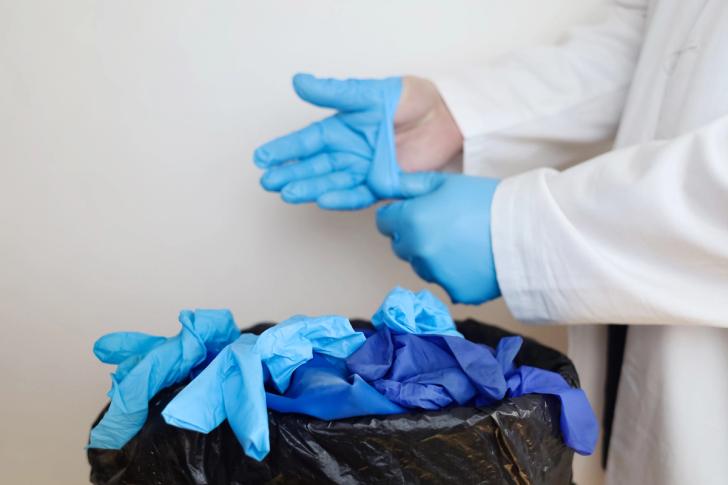
New research by BB-REG-NET suggests the NHS's £5.5 billion annual spend on single-use medical products represents an opportunity to support the UK bioeconomy whilst advancing Net Zero goals.
The study analysed 670 NHS contracts and found that 407, worth £5.5 billion, have strong potential for bio-based alternatives. The identified contracts included syringes (13 per cent), containers (12 per cent), packaging (10 per cent), gloves (10 per cent) and masks (9 per cent). Switching could create an estimated £30-120 million annual market opportunity for UK manufacturers.
Researchers examined more than 1,000 unique products such as surgical drapes, gloves, masks, syringes, and waste management supplies to confirm that they could be replaced with bio-based alternatives whilst maintaining clinical safety standards.
The report ‘Buying into Biomanufacturing: Harnessing Public Procurement for the UK Bioeconomy’ study was authored by Jonathan Hobson at Perspective Economics with contributing analysis from Jen Vanderhoven at BBIA.
"If the UK is serious about delivering on net zero and strengthening resilience, it must embed bio-based products into public procurement," said Dr Jen Vanderhoven, COO of the Bio-based and Biodegradable Industries Association (BBIA) and project lead for BB-REG-NET.
"Starting with the NHS would not only cut carbon and reduce reliance on fossil-based imports but also give UK innovators the market confidence they need to scale and compete globally."
The NHS is legally bound by the Health and Care Act 2022 to meet Net Zero targets. Its Net Zero Plan anticipates that bio-based polymers could deliver 498,000 tonnes of CO2e savings, enough to power more than 300,000 UK homes for one year. Since April 2022, all NHS procurements must include a minimum 10 per cent net zero and social value weighting. Suppliers of contracts above £5 million per annum must also publish Carbon Reduction Plans.
Market barriers limit bio-based adoption
The report highlighted market failures preventing bio-based innovation from reaching healthcare procurement. Although the NHS has purchasing power equivalent to the entire GDP of Portugal or Finland, most of its suppliers are resellers with limited UK manufacturing capability.
NHS Supply Chain's catalogue of 500,000 products currently contains just one item searchable as 'bio-based'.
Barriers include fragmented procurement across 117 organisations and the absence of bio-based products within existing supplier portfolios.
The findings align with Eunomia research highlighting the environmental and economic costs of single-use plastics across healthcare sectors.
Helen Mathieson, Managing Director of Vegware, a manufacturer of compostable food packaging made from renewable, plant-based materials, commented: "The NHS has the power to lead by example in building a healthier, more sustainable future. By switching to bio-based, compostable catering supplies, the NHS can play a crucial leading role in helping reduce waste sent to landfill, and support the UK's transition to a circular economy."
Critical supply chain vulnerabilities were exposed during COVID-19, when £4 billion of NHS contracts were awarded for single-use protective equipment. BB-REG-NET concludes that strategic bio-based procurement could strengthen pandemic preparedness while supporting domestic manufacturing capabilities.
Beyond healthcare, the study identified £177 million in public procurement contracts for catering disposables and refuse sacks, highlighting further opportunities across local authorities, central government departments and housing associations.
Four-point action plan for market development
The report presents four recommendations to unlock the identified market opportunity. These include launching an NHS Bio-Based Procurement Pilot coordinated with NHS Supply Chain to trial UK-manufactured alternatives across surgical gowns, drapes, and patient consumables with evaluation based on economic, environmental and social value criteria.
The research also recommends establishing a Bio-Based NHS Procurement Consortium to convene major NHS buyers and provide suppliers with demand signals, through the creation of shared mandates for identifying and scaling bio-based products.
A proposed Green Supply Transition Fund would offer matched grants and tax credits to NHS suppliers developing bio-based product lines or establishing UK-based production facilities.
The fourth recommendation involves expanding bio-based procurement frameworks to integrate sustainable alternatives into national frameworks for food service packaging and office supplies across government departments.
The research stresses that strategic public procurement is an immediate policy tool for stimulating the bioeconomy without new legislation.


Get our weekly digest
resource.co article ai

How will the government and DMOs address the challenges of including glass in DRS while ensuring a level playing field across the UK?
There's no easy solution to include glass in the DRS while maintaining a level playing field. Potential approaches include a phased introduction of glass, potentially with higher deposits to reflect its logistical challenges. The government and DMOs could incentivise innovation in glass packaging design and subsidise dedicated return points for glass-handling. Exemptions for smaller businesses unable to handle glass might also be necessary. Any successful solution will likely blend several approaches. It must address the differing priorities of devolved administrations, balance environmental benefits with logistical and cost implications, and be supported by robust consumer education campaigns emphasizing the importance of glass recycling.