

Fires broke out at a Household Waste Recycling Centre (HWRC) in Walbottle, near Newcastle, on Tuesday (5 January).
Following the first fire, which was spotted at around 11.20 in the morning originating from waste compactors, which were crushing black bags of household waste, another broke out at around 1.20 in the afternoon.
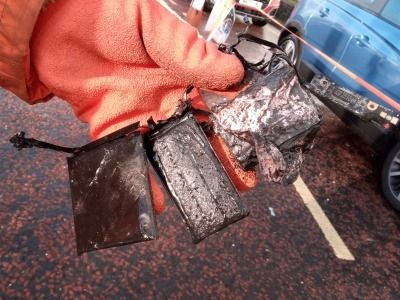
It is believed that batteries and waste electricals were to blame for the first fire. The cause of the second remains unknown.
Though no one was injured in either fire, Newcastle City Council is taking this as an opportunity to remind residents to dispose of their batteries and waste electricals properly.
In September, the Council urged residents to dispose of their batteries properly by promoting the Environmental Services Association’s Take Charge campaign to residents.
Alongside this, the national Recycle Your Electricals campaign ran in Newcastle on several occasions in the last year, which entailed radio ads encouraging residents to dispose of WEEE responsibly.
The Newcastle City Council website also contains information on safe battery disposal, and the issue is among those covered in its social media messages regarding waste.
Cllr John-Paul Stephenson, Cabinet member for Environment and Regulatory Services, said: “Batteries, chargers, items like old mobile phones or vape pens, and other small devices should not just be placed in general waste and need to be disposed of separately, or they pose a serious fire risk, be that in a bin, bin wagon or – as we see in this case – at our recycling centres.
“If you need to get rid of them, please use the large network of free-to-use battery collection points, including at supermarkets, large DIY stores and many other shops across the city, or take them to the dedicated Waste Electrical and Electronic Equipment (WEEE) areas of our HWRCs.”


Get our weekly digest
resource.co article ai

How will the government and DMOs address the challenges of including glass in DRS while ensuring a level playing field across the UK?
There's no easy solution to include glass in the DRS while maintaining a level playing field. Potential approaches include a phased introduction of glass, potentially with higher deposits to reflect its logistical challenges. The government and DMOs could incentivise innovation in glass packaging design and subsidise dedicated return points for glass-handling. Exemptions for smaller businesses unable to handle glass might also be necessary. Any successful solution will likely blend several approaches. It must address the differing priorities of devolved administrations, balance environmental benefits with logistical and cost implications, and be supported by robust consumer education campaigns emphasizing the importance of glass recycling.