

Minderoo Foundation has developed a new tool that has identified thousands of waste sites across 25 countries, its satellite data technology able to measure piles of plastic waste from space.
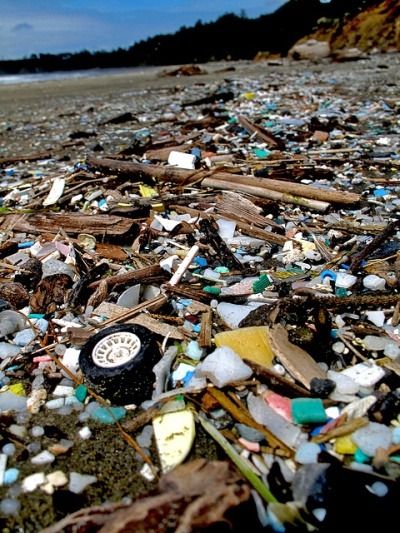
The ‘Global Plastic Watch’ tool combines Earth observation with artificial intelligence – creating what the Foundation describes as the ‘first-ever near-real-time high-resolution map of plastic pollution.’
The capabilities of the tool have resulted in the ‘largest’ open-source dataset of plastic waste across multiple countries. It is hoped that its function will help authorities manage plastic leakage into the marine environment.
According to Minderoo, the ‘Global Plastic Watch’ employs remote sensing satellite imagery from the European Space Agency. The tool also includes a ‘first-of-its-kind’ machine learning model, made in collaboration with Digital Product Agency for the Environment, Earthrise Media.
With these features, the tool can calculate the size and scale of land-based plastic waste sites – which the Foundation highlights as a ‘major factor’ in escalating the growing issue of plastic pollution of the world’s rivers and oceans.
The tool aims to support country-level efforts to understand the magnitudes and effects of land-based plastic waste sites, to enable them to better address undocumented sites and monitor those that pose environmental and health concerns. The data is also expected to guide direct investments in waste infrastructure in the areas that need it the most.
Until now, effectively identifying and measuring plastic waste build-up in a systematic, standardised way has been difficult. Yet, a 30 per cent global increase in the production of single-use plastic is projected over the next five years. According to data from the Minderoo Foundation’s No Plastic Waste initiative, this growth in production will lead to an extra three trillion items of throwaway plastic waste by 2025.
‘A historical first and authoritative insight’ into this unmanageable environmental challenge is anticipated to be offered using the data that the tool can gather. As explained by the Minderoo Foundation, plastic pollution threatens the oceans, harms communities, marine life, animal and human health. By using the data gained from the Foundation’s tool, various governments, industry and communities can evaluate and monitor the risk of land-based plastic waste sites, as well as prioritise investments in solutions.
Included in the countries on the Plastic Pollution Map so far is all of South-East Asia, Australia, and the countries identified by research published in Science Advances, all of which account for high rates of plastic emissions into the ocean.
Describing the importance of data and transparency as tools to fight plastic waste, Dr Andrew Forrest AO, Chairman and Co-Founder of the Minderoo Foundation, said: “Generally, the world has no idea how dangerous plastic waste is to the organic environment, particularly humans. The destination for every piece of plastic is nano-plastic, which has both poisonous and cutting attributes able to mutilate cells and even penetrate the human blood brain barrier.
“Preventing illegal and legal plastic waste stockpiles entering the oceanic environment is critical to limit this harm. Once in the ocean, through both mixing, absorption and ingestion by animals, this plastic will officially enter the human environment.
“Using artificial intelligence and satellite data, Minderoo Foundation has produced the first-ever map of plastic waste build up. Most of our data about plastic waste comes from models and estimates. Now our understanding is informed by real data that can be used to guide solutions.
“Global Plastic Watch arms governments and researchers around the world with data that can better guide effective waste management interventions, ensuring land-based waste doesn’t end up in our oceans.
“We want to work with governments to ensure this tool can also help to support policy change where needed.”


Get our weekly digest
resource.co article ai

How will the government and DMOs address the challenges of including glass in DRS while ensuring a level playing field across the UK?
There's no easy solution to include glass in the DRS while maintaining a level playing field. Potential approaches include a phased introduction of glass, potentially with higher deposits to reflect its logistical challenges. The government and DMOs could incentivise innovation in glass packaging design and subsidise dedicated return points for glass-handling. Exemptions for smaller businesses unable to handle glass might also be necessary. Any successful solution will likely blend several approaches. It must address the differing priorities of devolved administrations, balance environmental benefits with logistical and cost implications, and be supported by robust consumer education campaigns emphasizing the importance of glass recycling.