

Today (19 July), hospitality company Sodexo has released findings suggesting pressures on supply chains have led to an increase in food waste. The research, conducted by Opinion Matters on behalf of the company, highlights a 60 per cent increase in food waste over the last six months.
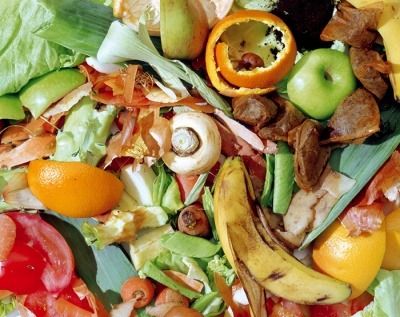
Recently, supply chains have come under unprecedented strains from a number of factors, including the current conflict in Ukraine, Covid-related labour shortages, and rising costs.
This surge brings into question the industry’s ability to reduce food waste by 50 per cent by 2030, as set out in the UN’s Sustainable Development Goals.
The findings, taken from supply chain heads across private and public organisations, saw 85 per cent of respondents credit the pandemic for causing damage to supply chains, while 44 per cent state they are impacted by labour shortages and eight per cent by freight challenges.
As 32 per cent do not predict their supply chains will return to optimum efficiency within a year, 35 per cent also believe they will have to keep increasing prices in order to manage their supply chains under these pressures.
Furthering alliance with SMEs to form resilient supply chains
After questioning large organisations on how they are handling the supply chain crisis and its impact on food waste and carbon emissions, 83 per cent of respondents said they have built a more ‘resilient’ supply chain since the Covid-19 Pandemic. The report claims 38 per cent have achieved this by diversifying supplier bases by working with smaller suppliers, with 35 per cent looking to source food domestically.
The utilisation of SMEs to respond to such challenges has been welcomed comprehensively, with 81 per cent stressing a need for more SME sources. 38 per cent of respondents further this, with their agreement that the sharing of best practice with SMEs to improve supply chain performance is the best way to address these issues.
Aoife Wycherley, Head of Supply Chain and Food Procurement at Sodexo UK & Ireland, said: "Diversifying the food supply chain is essential for building resilience. SMEs can enable greater agility because they’re more flexible, innovative and tend to drive domestic food sourcing which, in turn, can reduce carbon by cutting down on air and freight usage.
"This makes having SMEs in the supply chain essential for those that need to maintain supply and meet climate targets. Carbon data reporting is, however, a huge burden for small businesses, and we need greater industry collaboration from large organisations to support them with this challenge in order to achieve net zero in the supply chain.”
Tackling increases in food waste with mandatory reporting
However, this doesn’t escape from the increase in food waste across supply chains that are under pressure. Food waste was deprioritised by 35 per cent of respondents because of the ongoing challenges, while 34 per cent support the introduction of mandatory food waste reporting, as proposed in the Government’s recently published Food Strategy.
Claire Atkins-Morris, Director of Corporate Responsibility at Sodexo UK and Ireland, added: "We welcome the Government’s decision to consult on mandatory food waste reporting, something which we’ve been calling for in our Appetite for Action campaign.
"The first step towards cutting food waste is tracking and monitoring. More broadly, we urge the Government to take a holistic approach to all areas which will determine the success of net zero policy making, including food waste, carbon reduction and supply chain resilience.
"The strategy must be broader than focusing on renewable energy and the introduction of electric vehicles."


Get our weekly digest
resource.co article ai

How will the government and DMOs address the challenges of including glass in DRS while ensuring a level playing field across the UK?
There's no easy solution to include glass in the DRS while maintaining a level playing field. Potential approaches include a phased introduction of glass, potentially with higher deposits to reflect its logistical challenges. The government and DMOs could incentivise innovation in glass packaging design and subsidise dedicated return points for glass-handling. Exemptions for smaller businesses unable to handle glass might also be necessary. Any successful solution will likely blend several approaches. It must address the differing priorities of devolved administrations, balance environmental benefits with logistical and cost implications, and be supported by robust consumer education campaigns emphasizing the importance of glass recycling.