

A new heatmap indicating the biggest opportunities for action in supermarket packaging and a tool to guide packaging producers and purchasers in making sustainable choices have been released by consumer goods insights company, The Institute of Grocery Distribution (IGD).
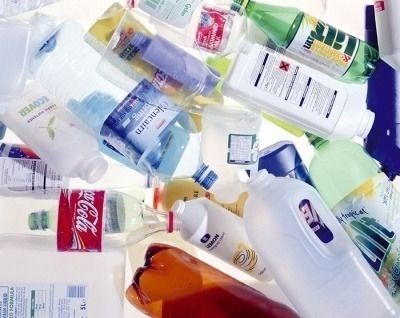
The heatmap report – ‘Packaging: Which supermarket categories have the biggest opportunities for action?’ – hopes to help the industry take action and refocus sustainability efforts on packaging solutions that have the greatest positive impact.
The report found that half of all supermarket packaging impacts are from beer, wine, spirits, non-alcoholic drinks, dairy and sauces. Around a third is from alcoholic and non-alcoholic beverages alone. 11 per cent of the packaging impact comes from meat, fish and canned products while nine per cent comes from toiletries, cosmetics and cleaning products.
Each of the supermarket categories was scored based on four environmental indicators: climate change, land use, water use and virgin resource use. These impacts reflect supply-chain sourcing, recycled content and end-of-life outcomes. The data for packaging tonnage comes from key product categories from January to December 2019 and was provided by Valpak.
Alongside the report, IGD has released an interactive tool which supports those who design or purchase grocery packaging to integrate sustainability into their decision-making using full lifecycle thinking. Its purpose is to guide users through a series of questions, prompts and explanations to explore the key sustainability considerations at each stage of the packaging lifecycle.
Both the report and the tool are a part of IGD’s wider sustainable packaging work and follow last year’s launch of ‘Halving the environmental impact of the UK packaging system’. This report aimed to help the food and consumer goods industry reach its aim of halving the environmental impact of the UK packaging system by 2030.
One of the conclusions of this report was the need to remove packaging from the market by eliminating unnecessary packaging, lightweighting, moving to reusable packaging systems, and increasing the recycled content across all packaging systems.
Packaging company Tetra Pak recently released a new report showing that over a third (36 per cent) of senior decision-makers in food and beverage organisations currently consider the pursuit of sustainable packaging as important. Yet, 41 per cent face supply chain challenges or disruption, hindering efforts to adopt sustainable packaging options.
Mark Little, Director of Sustainability Programmes at IGD, said: “In 2021, we brought together stakeholders from across the food and consumer goods industry to create a shared ambition – to halve the environmental impact of all packaging systems by 2030.
“Following this, last year we produced an insights report with industry which found that meeting the 2030 ambition will require at least a 20 per cent reduction in the amount of packaging put on the market, an increase in recycled content and decarbonising the supply chain.
“Our latest report will provide insights helping businesses to target their action, which is key to driving positive change and meeting the ambition.”
The IGD and packaging systems
IGD is a consumer goods insights company which is split into two: commercial insights and social impact. The company says that the two sides ‘work to drive change that makes a tangible difference for society, business and the individual’.
The company’s other focuses around sustainability include climate change, reducing food waste, increasing food surplus redistribution, developing sustainable packaging systems and accelerating the industry’s progress towards Net Zero.


Get our weekly digest
resource.co article ai

How will the government and DMOs address the challenges of including glass in DRS while ensuring a level playing field across the UK?
There's no easy solution to include glass in the DRS while maintaining a level playing field. Potential approaches include a phased introduction of glass, potentially with higher deposits to reflect its logistical challenges. The government and DMOs could incentivise innovation in glass packaging design and subsidise dedicated return points for glass-handling. Exemptions for smaller businesses unable to handle glass might also be necessary. Any successful solution will likely blend several approaches. It must address the differing priorities of devolved administrations, balance environmental benefits with logistical and cost implications, and be supported by robust consumer education campaigns emphasizing the importance of glass recycling.