

Today (30 June), Changing Markets Foundation (CMF) has launched a new platform to raise consumer awareness of big brands’ use of ‘misleading’ use of sustainable and green terms with little evidential backing.
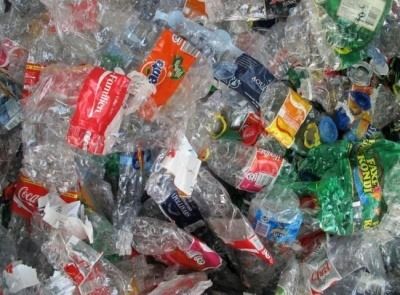
The digital resource, Greenwash.com, questions the environmental credentials of companies like Coca-Cola, Unilever, IKEA, TESCO, and LIDL. The consumer giants, CMF says, fail to provide accurate depictions of the environmental impact of their processes, while employing phrases like ‘ocean-bound’ and ‘recyclable plastic’. In particular, the body highlights ‘ocean and beach plastics’ as terms frequently used in campaigns that obscure the brand’s environmental impact.
One example is Procter and Gamble’s description of its Head and Shoulders shampoo bottles as being made from ‘beach plastic’, despite the bottle being dyed blue, preventing it from being recycled further.
The website allows the public to ‘wash’ their favourite brands or sectors to appraise the claims made about the sustainability of their products and packaging. It also provides further resources addressing the prevalence of greenwashing and CMF’s further work into bettering market practices around sustainability messaging.
The project comes as a way to tackle the UK’s ongoing problem with unrecycled plastic packaging, which makes up nearly 70 per cent of plastic waste, of which only ten per cent gets recycled. CMF has previously seen success from similar work, with clothing brand H and M removing the term ‘conscious’ from labels of unsustainably-sourced clothes following exposure by the body.
George Harding-Rolls, Campaign Manager for Changing Markets Foundations, stated: “Our latest investigation exposes a litany of misleading and mendacious claims from household names consumers should be able to trust. This is just the tip of the iceberg and it is of crucial importance that regulators take this issue seriously.
“The industry is happy to gloat its green credentials with little substance on the one hand, while continuing to perpetuate the plastic crisis on the other. We are calling out greenwashing so the world can see that voluntary action has led to a market saturated with false claims. We must embrace systemic solutions, such as absolute reductions in plastic packaging and mandatory deposit return systems.”
Plastic Planet’s co-founder Sian Sutherland added: “Plastic is now a very powerful and emotional word, we all feel the plastic guilt when we fill our shopping baskets. Brands have been exploiting this over recent years, using age-old marketing techniques that are totally misleading or downright fake, pretending that the problem is being fixed when actually it is getting worse with plastic production set to treble by 2040.
“Greenwash.com exposes these false green claims for what they are, daylight robbery of the consumer's right and ability to judge the product. It shines a light on how desperate brands and retailers are to maintain business as usual while they mislead consumers into thinking they are making ethical choices.
The launch of the new platform follows CMF’s recent publication of a report highlighting the misuse of soft plastic take-back schemes in European supermarkets. The new platform questions the use of these schemes by supermarkets like Tesco, noting that they can encourage consumers to continue purchasing their plastic-packaged items. The Greenwash website details how the brand labels flexible plastic packaging as ‘widely recyclable’, despite this only being possible through such schemes. Even then, concerns have been raised around the efficacy of such schemes.
Looking to better sustainable practice in other sectors, CMF also released a report in March, compiled with the Global Alliance for Incinerator Alternatives (GAIA) and the Environmental Investigation Agency (EIA), calling for more government action on methane reduction. Highlighting how the Global Methane Pledge is lagging on the 45 per cent reduction in emissions required to limit global warming to 1.5°C, the report targets agriculture, energy, and waste as three sectors requiring more comprehensive action.
This report arrived just after the organisation shared research suggesting many fashion certification labels enable greenwashing, calling out the Ellen MacArthur Foundation (EMF), WRAP, and the Sustainable Apparel Coalition’s Higg Index for ‘acting as a smokescreen’ for the industry’s environmental impact.


Get our weekly digest
resource.co article ai

How will the government and DMOs address the challenges of including glass in DRS while ensuring a level playing field across the UK?
There's no easy solution to include glass in the DRS while maintaining a level playing field. Potential approaches include a phased introduction of glass, potentially with higher deposits to reflect its logistical challenges. The government and DMOs could incentivise innovation in glass packaging design and subsidise dedicated return points for glass-handling. Exemptions for smaller businesses unable to handle glass might also be necessary. Any successful solution will likely blend several approaches. It must address the differing priorities of devolved administrations, balance environmental benefits with logistical and cost implications, and be supported by robust consumer education campaigns emphasizing the importance of glass recycling.