

The Royal Society of Chemistry (RSC) have published the results of a new global survey into people's attitudes towards technology, sustainability, and precious elements.
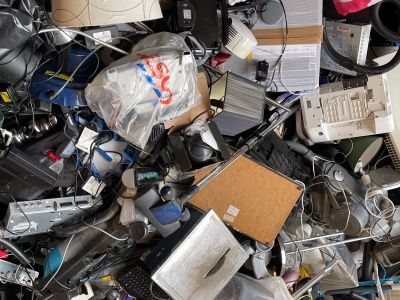
Conducted in 10 countries around the world, the survey asked participants about their purchasing and recycling habits, also gaining understanding of their attitudes to sustainability in technology.
The survey found that individuals want more sustainable technology options, yet were frustrated with the lack of information around the topic. People were also found to be put off the lack of straightforward options for recycling their technology, or extending its life span.
Some key stats found from the research carried out by The Royal Society of Chemistry were:
- 60 per cent of consumers would switch to rivals of preferred tech brands if goods were produced sustainably.
- While the vast majority of consumers said they wished their devices lasted longer, they find it too difficult (68 per cent) or too expensive (71 per cent) to repair them when minor things go wrong
- Almost three quarters (73 per cent) of people we surveyed worldwide said they believe governments should take urgent action to tackle e-waste before the situation gets any worse.
- Just over half (57 per cent) say they worry about the environmental effect of the unused tech devices they have at home, but either don’t know what to do with them or are unconvinced the current processes available in their local area deal with e-waste effectively.
This new survey follows on from The Royal Society of Chemistry’s 2019 Precious Elements campaign – which ‘raised awareness of the many rare and precious elements that are in our personal electronics’. It also aimed to highlight that many people in the UK are unaware of the need to recycle these products.
Following its release, the Precious Elements Campaign went on to be highlighted by Parliament, with the RSC also being invited to give evidence to the UK Government’s Environmental Audit Committee report into e-waste.
Professor Tom Welton, President of the Royal Society of Chemistry, said: "Developing a circular economy where minerals used in tech devices are salvaged and repurposed could help us to bypass supply chain issues in the future while also helping to reduce environmental impacts. It is essential that governments and businesses urgently do more to develop a circular economy which can tackle the world’s growing e-waste crisis and alleviate the strain on supply chains.
"Not only do we need governments to overhaul recycling infrastructure and tech businesses to invest in more sustainable manufacturing practices, we need greater public and private investment in research to enable chemical scientists like those at N2S to progress methods of separating critical raw materials from electronic waste for recycling purposes.
"However, in the nearer term, we urge everyone to be more conscious about how they use and reuse technology. Before you dispose or replace it, ask yourself if it really needs replaced. Could it be repaired or updated? If it can’t be sold or donated, could it be recycled?”
Not-for-profit Material Focus also commented: “The RSC’s latest campaign has put a spotlight on the world’s and the UK’s fastest growing waste stream. In the UK alone our research at Material Focus has found that we are throwing away 155,000 tonnes of electricals and hoarding 527 million items in our homes.
"Recycling and re-using electricals needs to become far easier to ensure that we don’t throw away some of the most precious materials on our planet – anything with a plug, battery or cable can be reused or recycled. Urgent action by all stakeholders needs to be taken to address this issue.”


Get our weekly digest
resource.co article ai

How will the government and DMOs address the challenges of including glass in DRS while ensuring a level playing field across the UK?
There's no easy solution to include glass in the DRS while maintaining a level playing field. Potential approaches include a phased introduction of glass, potentially with higher deposits to reflect its logistical challenges. The government and DMOs could incentivise innovation in glass packaging design and subsidise dedicated return points for glass-handling. Exemptions for smaller businesses unable to handle glass might also be necessary. Any successful solution will likely blend several approaches. It must address the differing priorities of devolved administrations, balance environmental benefits with logistical and cost implications, and be supported by robust consumer education campaigns emphasizing the importance of glass recycling.