

Coordinated initiative from Global Fashion Agenda and ReHubs aims to break the supply-demand deadlock holding back Europe's textile-to-textile recycling sector.
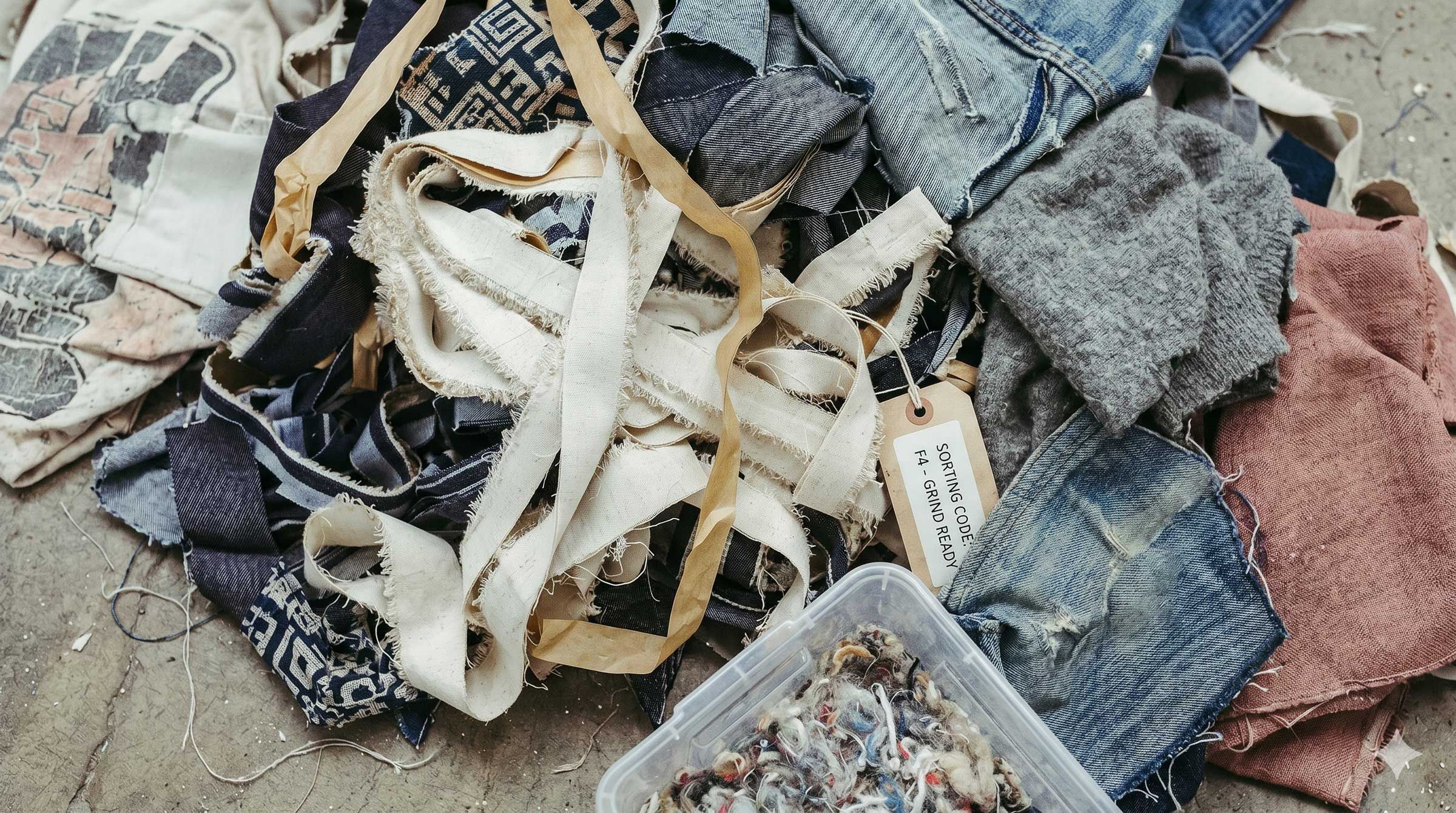
Global Fashion Agenda (GFA), a Copenhagen-based non-profit focused on sustainability in fashion, and textile recycling alliance ReHubs launched their 2030 Circularity Blueprint at the Global Fashion Summit in Copenhagen yesterday (6 May), setting out a roadmap to mobilise an estimated €8-11 billion (£7-10 billion) in capital expenditure for Europe's textile-to-textile recycling infrastructure.
Less than one per cent of discarded garments in the EU are currently recycled into new garments, despite EU-wide obligations for separate textile collection. The blueprint targets 2.7 million tonnes of textile-to-textile recycling capacity by 2035, up from what the organisations describe as a fragmented and undersized base.
Eight interconnected intervention areas cover the full value chain, from a shared framework for defining circular materials and a data platform for tracking textile waste flows through to product design standards, collection systems, sorting investment and a coordinated capital expenditure roadmap. Implemented together, the organisations say, these are intended to convert voluntary industry commitments into investment-grade infrastructure by 2030.
GFA and ReHubs will run two collaborative programmes as immediate priorities. ReHubs will lead development of a textile waste intelligence platform, while the second programme addresses the gap between collection and sorting systems and the recyclers that need feedstock at acceptable cost and quality.
GFA is also calling for a targeted policy incentive framework. Recycled textile inputs currently command a premium ranging from around 20 per cent to double the price of virgin equivalents, according to a 2025 ReHubs report. Federica Marchionni, chief executive of GFA, said progress had been "stalled by supply-demand deadlocks, compounded by a fragmented landscape where initiatives and stakeholders operate in silos."
The blueprint proposes stronger public procurement requirements, harmonised extended producer responsibility systems across EU member states and clearer requirements for recycled content to help close the gap.
GFA and ReHubs are seeking funding and partnerships to advance the remaining intervention areas. The full blueprint is available at globalfashionagenda.org.


Get our weekly digest
resource.co article ai

How will the government and DMOs address the challenges of including glass in DRS while ensuring a level playing field across the UK?
There's no easy solution to include glass in the DRS while maintaining a level playing field. Potential approaches include a phased introduction of glass, potentially with higher deposits to reflect its logistical challenges. The government and DMOs could incentivise innovation in glass packaging design and subsidise dedicated return points for glass-handling. Exemptions for smaller businesses unable to handle glass might also be necessary. Any successful solution will likely blend several approaches. It must address the differing priorities of devolved administrations, balance environmental benefits with logistical and cost implications, and be supported by robust consumer education campaigns emphasizing the importance of glass recycling.