

Regulations laid in Parliament replace paper consignment notes with a real-time digital record, with carriers, brokers and dealers brought in through a phased rollout to late 2027.
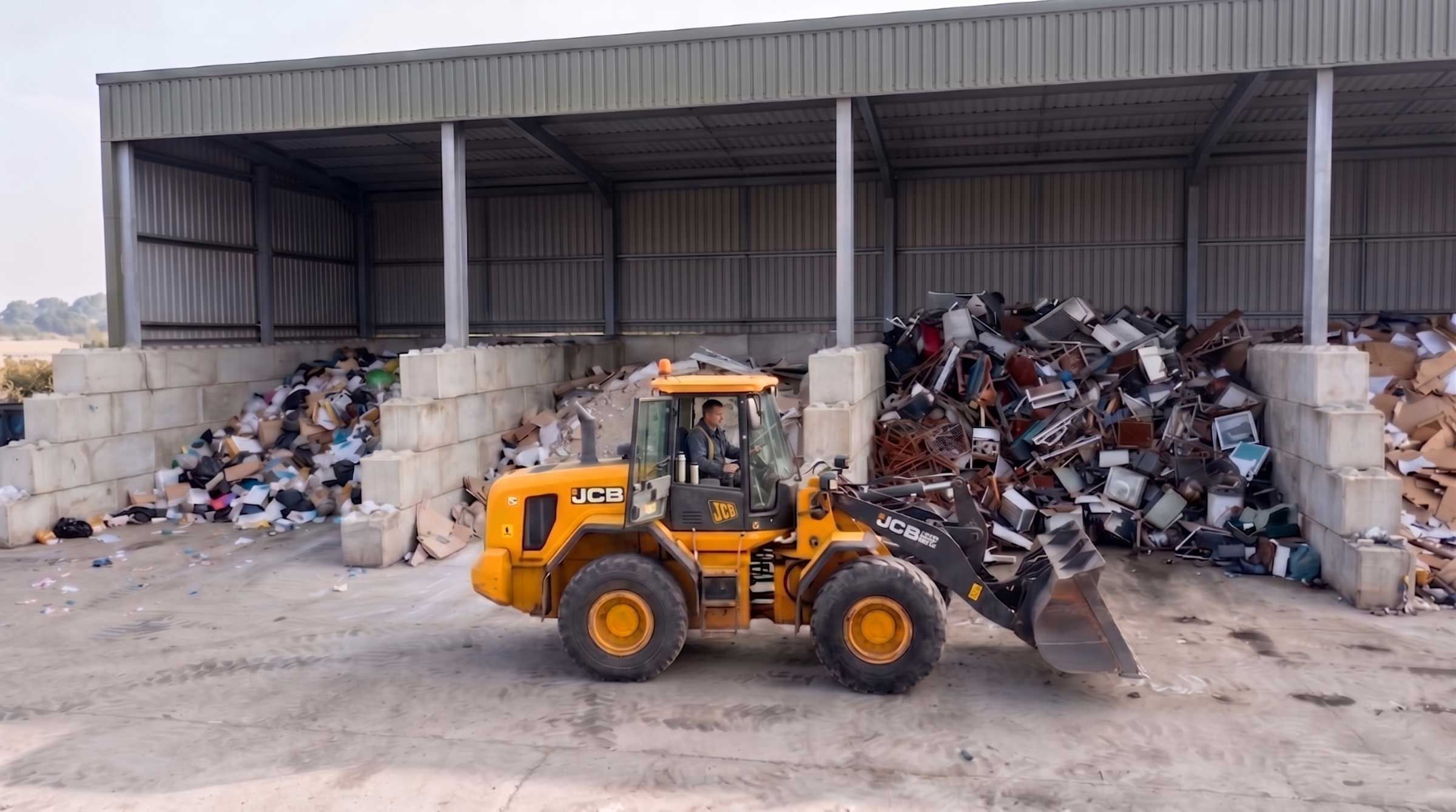
The Department for Environment, Food and Rural Affairs has laid secondary legislation in Parliament requiring permitted waste receiving sites to log every consignment they take in through a new Digital Waste Tracking Service, with the system becoming mandatory in England, Wales and Northern Ireland from October 2026 and in Scotland from January 2027.
In its first phase, The Digital Waste Tracking (England) Regulations 2026 apply to around 12,000 permitted waste receiving sites. Defra says more than 100,000 operators will eventually come into scope as waste carriers, brokers, dealers and registered exemption holders are added through later phases. A voluntary beta opens on 28 April, with site operators and waste software developers invited to help refine the service before mandatory use begins.
Paper-based waste transfer notes and hazardous waste consignment notes, which have governed duty-of-care record-keeping for decades, will be superseded by a single national record that regulators can query in real time, including at roadside checks, to confirm whether a load has reached a legitimate destination.
Waste crime is estimated by the Environment Agency to cost the UK economy around £1 billion a year. Digital tracking is one strand of the government's Waste Crime Action Plan, which also includes fly-tipping points on driving licences, clean-up squads for offenders, and police-style powers of search and seizure for Environment Agency enforcement officers. The plan allocates an additional £45 million over three years to the agency's enforcement budget.
"Waste crime is a wicked business and the paper system we inherited was not fit for purpose," said Mary Creagh, Minister for Nature. "Our Digital Waste Tracking Service will give authorities better, more reliable evidence to go after rogue operators and shut them down. It will also speed paperwork up for legitimate operators and cut red tape at the same time."
Jacob Hayler, executive director of the Environmental Services Association, said the launch marked "a significant milestone" and urged the industry to take part in the beta. "Implemented successfully, Digital Waste Tracking should make it easier for waste producers to be sure that they are dealing with legitimate operators, while also providing useful and timely data to regulators to help them crack down on cowboys," he said.
A second phase, due to open for beta testing in autumn 2026 and become mandatory in October 2027, will bring waste carriers, brokers and dealers into the service. Registered exemption holders, who number around 150,000, will follow in a further phase, along with tracking for green list Article 18 waste exports. Commercial waste brought into household waste recycling centres in England and Northern Ireland is in scope from October; household drop-offs at HWRCs, and commercial HWRC waste in Scotland and Wales, sit outside phase 1.
Inside the service
The primary route into the system is software integration. Defra's Receipt of Waste application programming interface lets existing waste-management packages feed consignment data into the tracking service automatically as loads are booked in, so that operators who already run digital systems avoid double entry. A spreadsheet-based alternative will be available for receivers that do not have their own software and is expected to remain in place until at least October 2027.
Fields captured mirror those currently recorded on waste transfer notes and hazardous waste consignment notes, including waste description, quantity, codes, the identity of the producer, carrier and receiver, and the permit under which the receiving site operates. Waste containing persistent organic pollutants is in scope from day one.
Once the service is mandatory, each legal entity that creates or edits records will pay an annual service charge of £26 for rolling 12-month access. Sign-up for the voluntary beta opens on 28 April through GOV.UK, and Defra is running a dedicated helpline on 03000 203 781 from 8am to 5pm on weekdays. Parallel legislation has been laid in Scotland and Wales, with Northern Ireland expected to follow, and operators trading across the four nations will use a single service regardless of which regulator is responsible for their permit.


Get our weekly digest
resource.co article ai

How will the government and DMOs address the challenges of including glass in DRS while ensuring a level playing field across the UK?
There's no easy solution to include glass in the DRS while maintaining a level playing field. Potential approaches include a phased introduction of glass, potentially with higher deposits to reflect its logistical challenges. The government and DMOs could incentivise innovation in glass packaging design and subsidise dedicated return points for glass-handling. Exemptions for smaller businesses unable to handle glass might also be necessary. Any successful solution will likely blend several approaches. It must address the differing priorities of devolved administrations, balance environmental benefits with logistical and cost implications, and be supported by robust consumer education campaigns emphasizing the importance of glass recycling.