

Oxera analysis commissioned by waste specialist Augean warns that 2027 changes to the Landfill Tax exemption could add up to £29.5 million to single port capital projects.
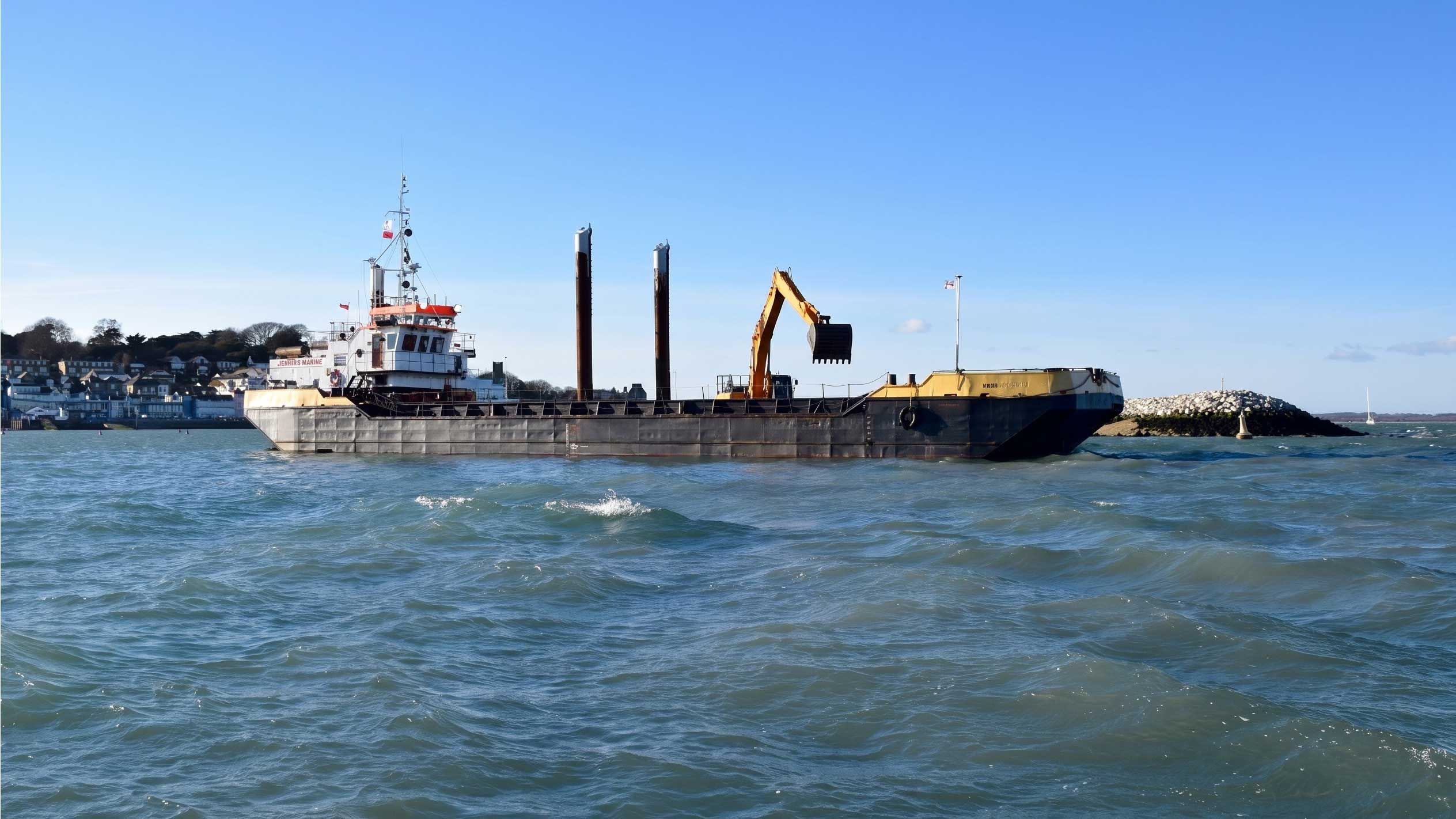
Proposed Landfill Tax reforms could nearly double the cost of some UK port capital projects and add up to £29.5 million to individual schemes, according to a report from economics consultancy Oxera commissioned by waste management firm Augean.
Augean has presented the findings to Exchequer Secretary Dan Tomlinson, with backing from energy from waste and biomass plant operators, dredging contractors and maritime industry parties. The campaign is calling for the policy change to be reversed before its scheduled April 2027 implementation.
Under the proposed changes, the existing Landfill Tax exemption would be narrowed to apply only to dredged material itself. Stabilising agents added before disposal, including Air Pollution Control residues (APCr) from energy from waste plants, would become taxable at the standard rate, currently £130.75 per tonne and forecast to rise in April 2027.
Oxera says the change is disproportionate because of the volumes of material involved. Contaminated sediment lifted from harbour beds and shipping channels is wet and unstable, and must be solidified with bulking agents before it can be safely sent to landfill. Industry data from the past six years shows an average of 4.1 tonnes of stabiliser used for every tonne of dredged sediment that ultimately requires disposal. "The tax base for disposal is driven not by the volume of dredged sediment alone, but by the significantly larger volume of stabilised material," the report states.
Most dredging at UK ports is routine maintenance work to keep navigation channels at the depths that commercial ships need. Oxera calculates that for every 100,000 cubic metres of sediment moved annually, landfill disposal of even one per cent of that material would add £750,500 to operating costs in tax. Sustained increases on this scale would erode margins and feed through into higher charges for port users, the report says.
The larger exposure sits with capital dredging, the one-off projects that deepen channels or create new berths to accommodate larger vessels and new port facilities. These schemes often underpin offshore wind investment and regional connectivity plans. Oxera reports that additional tax costs would range from millions to tens of millions of pounds per project, and could reach £29.5 million on a single scheme. In some cases the new tax liability would nearly equal the rest of the capital budget, making financially marginal projects unviable.
The Industrial Strategy identifies ports as a foundational industry, and the sector invests around £1 billion a year in new infrastructure. Much of that investment is directed at the additional port capacity required to support the government's 2030 clean energy mission, particularly for offshore wind. UK ports directly support 125,600 jobs and contribute £10.8 billion in gross value added.
"Delayed infrastructure projects can mean lost employment opportunities; constrained port capacity can limit trade growth; and reduced reinvestment capacity can weaken long-term competitiveness," the Oxera report concludes.
Augean argues that the reform does not account for the technical realities of contaminated dredging, where stabilising agents are required for the safe and compliant disposal of contaminated sediment. The proposed change risks stalling the port infrastructure central to the UK's energy transition, the company says.


Get our weekly digest
resource.co article ai

How will the government and DMOs address the challenges of including glass in DRS while ensuring a level playing field across the UK?
There's no easy solution to include glass in the DRS while maintaining a level playing field. Potential approaches include a phased introduction of glass, potentially with higher deposits to reflect its logistical challenges. The government and DMOs could incentivise innovation in glass packaging design and subsidise dedicated return points for glass-handling. Exemptions for smaller businesses unable to handle glass might also be necessary. Any successful solution will likely blend several approaches. It must address the differing priorities of devolved administrations, balance environmental benefits with logistical and cost implications, and be supported by robust consumer education campaigns emphasizing the importance of glass recycling.