

A new application of X-Ray technology to reduce battery fires at Waste Electric and Electronic Equipment (WEEE) sorting facilities has received funding for a demonstrator model from the European Union.
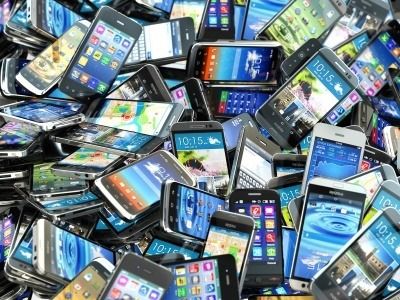
The EU’s Horizon Europe programme will enable the GRINNER project to commercialise an autonomous AI-enabled sorting system capable of detecting and removing e-waste that contains batteries.
Utilising data from x-ray detectors and ‘pick-and-place’ robots could see the project reducing fires caused by batteries in the waste electrical and electronic equipment (WEEE) management chain.
Led by LYNQ, a company that manufactures execution system software, the GRINNER project will focus on removing WEEE from processing conveyor belts before they are damaged by machines that crush and consolidate waste.
GRINNER’s project could prevent a key issue currently affecting the management chain – fires caused by battery types located inside discarded WEEE, particularly lithium-ion (Li-ion) and nickel-metal hydride (NiMH), which ignite or explode when damaged. this.
Its system will comprise energy-resolved x-ray detectors and a software-enabled module that will analyse x-ray data and detect waste that contains batteries. A vision-based pick-and-place robot will then remove this waste.
According to LYNQ, the primary output of the GRINNER system will be ‘a low-weight, super-fast, automated battery identifier’ that can be incorporated into existing WEEE and other similar recycling environments.
As reported by Materials Focus, more than 600 fires in bin lorries and recycling centres have been caused by batteries that are often hidden inside WEEE. The not-for-profit warned that when crushed in the waste and recycling process, the chance of being punctured and self-combusting is increased.
These fires cost waste management companies millions every year and force facilities to close for long periods of time. According to the Environmental Services Association (ESA), 48 per cent of all waste fires in the UK each year are caused by Lithium-ion batteries. This costs ‘some £158 million annually to waste operators, fire services and the environment’.
Certain efforts have been made to curb the growing number of WEEE-related fires. For instance, the national ‘Take Charge’ campaign – re-launched by the ESA to encourage consumers to only recycle batteries – and electronic devices containing batteries – using specialist recycling services.
In line with this, the British Metal Recycling Association (BMRA) has called for a ban on households placing unwanted WEEE and lithium-ion batteries in roadside collection bins. In replacement, it suggests that the Government instruct local councils to carry out kerbside collections for the items, which include single-use vapes.
Mark Gregory, CEO of LYNQ, commented: “The project will develop and bring to market the first automated robotic system capable of detecting batteries incorporated within e-waste. The proposed activities will enable the technology to be demonstrated at the Green WEEE recycling plant in Romania, which, we anticipate, will show an effective technology resulting in a reduction in direct costs for operators while minimising environmental impact.”


Get our weekly digest
resource.co article ai

How will the government and DMOs address the challenges of including glass in DRS while ensuring a level playing field across the UK?
There's no easy solution to include glass in the DRS while maintaining a level playing field. Potential approaches include a phased introduction of glass, potentially with higher deposits to reflect its logistical challenges. The government and DMOs could incentivise innovation in glass packaging design and subsidise dedicated return points for glass-handling. Exemptions for smaller businesses unable to handle glass might also be necessary. Any successful solution will likely blend several approaches. It must address the differing priorities of devolved administrations, balance environmental benefits with logistical and cost implications, and be supported by robust consumer education campaigns emphasizing the importance of glass recycling.