

Reconomy-backed programme invites funding applications for projects targeting infrastructure improvements and kerbside collection
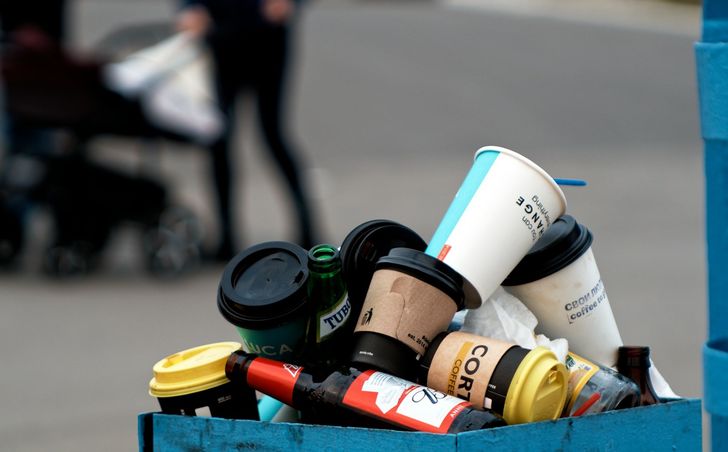
The National Cup Recycling Scheme (NCRS) has announced a £45,000 project fund to support pioneering initiatives that improve paper cup collection and recycling across the UK.
The Beyond the Bin fund welcomes applications from any organisation, business or community, including partnerships and collaborations.
Proposals must address one of three focus areas: awareness campaigns, recycling infrastructure improvements and research and evidence building.
The scheme seeks campaigns that deliver behaviour change initiatives that promote cup recycling in workplaces, events or public spaces. Infrastructure proposals should demonstrate ‘groundbreaking innovations to enhance cup collection, return and sortation at high-footfall locations’. While research applications must address key challenges in paper cup recycling, including recyclability improvements, recovery rate analysis and evaluating integration with household recycling schemes.
Those shortlisted will receive financial and expert support to refine their proposals, alongside networking guidance and stakeholder referrals. The final three projects will develop comprehensive proposals, and present these during interviews with a judging panel comprising NCRS member brands.
Hannah Osman, manager of the scheme administered by Valpak by Reconomy, said: "This new fund is a major investment to encourage innovation in cup recycling infrastructure and reuse. We are hoping to trigger scalable ideas that will make a real difference in the future."
Addressing infrastructure gaps
The NCRS currently operates 6,300 collection points nationwide, but significant expansion would be needed to handle full cup volumes. WRAP estimates that around 3.2 billion disposable cups are in circulation annually, but recycling rates sit between 2.8 per cent and 6 per cent. A 2022 estimate suggested the rate was even lower, with only 0.25 per cent of the UK's disposable cups recycled.
The National Cup Recycling Scheme represents the UK's largest paper cup recycling initiative. Funded by Costa Coffee, McDonald's, Pret a Manger, Caffè Nero, Lavazza Professional, Greggs and Burger King, it coordinates major retailers, waste operators and UK paper mills to increase cup collection and recycling.
Since launching in 2018, the scheme has recycled 233 million cups into high-quality products including packaging, stationery and Remembrance Day poppies. The programme financially incentivises waste collectors by offering £70 per tonne payments above standard commercial rates. The scheme addresses the complex challenge of recycling paper cups with polyethylene linings, which require specialist processing facilities.
According to Valpak, five UK mills currently accept these materials, James Cropper, DS Smith, ACE UK, Essity and Simply Cups, and together they have the capacity to process all cups used annually.
The fund will open for applications in September, with submissions limited to limited companies registered with Companies House. Applications will close on 31 October 2025 and those Shortlisted will be notified on 15 November. The winner will be announced on 16 December 2025. More information will be made available through the NCRS website.


Get our weekly digest
resource.co article ai

How will the government and DMOs address the challenges of including glass in DRS while ensuring a level playing field across the UK?
There's no easy solution to include glass in the DRS while maintaining a level playing field. Potential approaches include a phased introduction of glass, potentially with higher deposits to reflect its logistical challenges. The government and DMOs could incentivise innovation in glass packaging design and subsidise dedicated return points for glass-handling. Exemptions for smaller businesses unable to handle glass might also be necessary. Any successful solution will likely blend several approaches. It must address the differing priorities of devolved administrations, balance environmental benefits with logistical and cost implications, and be supported by robust consumer education campaigns emphasizing the importance of glass recycling.