

University of Glasgow-led research documents widespread microplastic contamination in the droppings of small freshwater birds nesting near urban and agricultural land across Scotland and Spain, though no short-term health effects were observed.
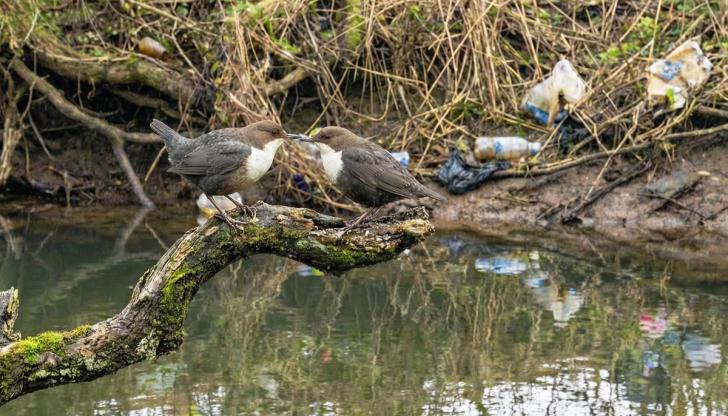
Microplastics have been found in the droppings of freshwater birds nesting near urban and agricultural land in Scotland and Spain, according to a new study led by the University of Glasgow.
The research, published in the journal Environmental Research, examined the faeces of White-throated dipper (Cinclus cinclus) nestlings at sites across both countries and detected microplastics – predominantly fibres – in 62.5 per cent of nesting broods. It found that the concentrations were higher in birds nesting close to urban or agricultural landscapes compared with those in natural settings such as forests. A pattern that was consistent across both Scottish and Basque Country sites.
The dipper is a small freshwater bird known for recolonising rivers that were previously heavily polluted. Using non-invasive sampling techniques, the research team tested the concentration of microplastics in the faeces of nestlings, offering an indicator of contamination levels in the freshwater food chain without disturbing the birds themselves.
Land use and microplastic exposure
The proximity of nesting sites to urbanised or agricultural areas emerged as a clear factor in contamination levels. Birds in these landscapes showed higher microplastic concentrations than those nesting near forests.
The researchers also assessed nestling body condition – a height-to-weight check for chicks that indicates whether young birds are developing normally – to investigate whether microplastic exposure was associated with any observable health effects. However, they found no conclusive evidence that birds with higher microplastic concentrations in their faeces were less healthy than those with lower levels.
"Overall, our findings highlight the widespread presence of microplastics in freshwater birds living near urban or agricultural landscapes," said Dr Pablo Salmón, lead author of the study from the University of Glasgow. "However, our findings also indicate no short-term effects of microplastics on nestling growth."
Freshwater species under-researched
The study addresses a gap in existing research, which has largely focused on microplastic ingestion by larger seabirds and waterfowl. The impact of microplastics on smaller freshwater species remains less well understood, despite microplastics being widely documented throughout freshwater ecosystems and known to be readily ingested by aquatic organisms.
"Until now, most microplastic research has focused on larger seabirds or waterfowl," Salmón said. "Our new study demonstrates that even small freshwater birds can ingest microplastics. Further research is needed to understand the long-term health implications of microplastics on these birds and other freshwater wildlife."
International concern about the effects of microplastics in aquatic environments continues to grow. Separate research published earlier this year found that tiny marine organisms known as copepods are transporting hundreds of microplastic particles through the ocean water column each day, acting as what researchers described as a "microplastic plumbing system" redistributing plastic pollution from surface waters to ocean depths and through the food chain.
Colette Martin, one of the authors of the Glasgow study, said the findings underline the need for broader monitoring: "This highlights the importance of monitoring even small freshwater birds to understand environmental pollution and its potential effects."


Get our weekly digest
resource.co article ai

How will the government and DMOs address the challenges of including glass in DRS while ensuring a level playing field across the UK?
There's no easy solution to include glass in the DRS while maintaining a level playing field. Potential approaches include a phased introduction of glass, potentially with higher deposits to reflect its logistical challenges. The government and DMOs could incentivise innovation in glass packaging design and subsidise dedicated return points for glass-handling. Exemptions for smaller businesses unable to handle glass might also be necessary. Any successful solution will likely blend several approaches. It must address the differing priorities of devolved administrations, balance environmental benefits with logistical and cost implications, and be supported by robust consumer education campaigns emphasizing the importance of glass recycling.