

British climate-tech company and textile manufacturer unveil new capture technology that aims to save 3M KWh of electricity and capture 90 tonnes of microfibres at each manufacturing site.
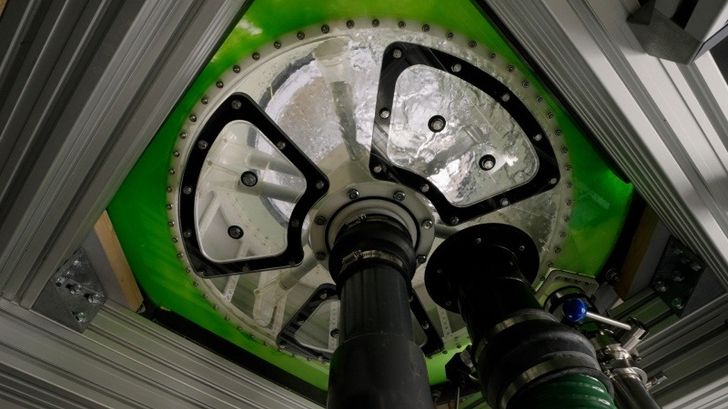
Bristol-based climate-tech company Matter has launched its new microfibre capture technology, Regen.™, during New York Climate Week.
Regen, developed in collaboration with Paradise Textiles, is a self-cleaning filtration system designed to prevent microfibres from entering waterways by capturing them during the wastewater filtration process. The partnership will see Regen installed in Paradise Textiles’ new textile facility in Egypt next year.
Paradise Textiles, the material science arm of the Alpine Group - a major manufacturer of materials and apparel for brands such as The North Face, Lululemon, American Eagle Outfitters, and Puma - helped in developing the application of the technology for the textile industry. It provided insights into textile manufacturing processes, funded early research, and helped shape Matter’s Microfibre Assessment Program (MAP) to maximise fibre capture.
Discussing the collaboration, Lewis Shuler, Head of Innovation at Paradise Textiles, said: “At Paradise we are committed to collaborating with industry innovators and brands to make a material difference for the future of the fashion and textile industry.
“Matter’s Microfibre filter presents us with an effective way to reduce the environmental impact of the textile and apparel manufacturing process, whilst also reducing operational costs, which is a real game-changer for the industry.”
Matter also raised $10 million in their 2023 funding round, and is backed by investors including S2G Ventures, SOUNDwaves, and Regeneration.VC.
The microfibre technology is designed to tackle the estimated 120,000 tonnes of microfibre emissions generated from textile production each year.
Microfibres are a large contributor to microplastic pollution in water, air, soil, and food sources, and recent studies have warned against the alarming health concerns that microplastics have been linked to.
Adam Root, Founder and CEO of Matter, emphasised the importance of tackling microplastic pollution: “It will show the fashion industry that a viable solution to this colossal problem of microplastic pollution is within reach. As this technology scales, there will be no reason and no excuse for letting microfibre pollution continue.”
The system also aims to provide a low-energy solution to capture technology, suggesting that it could save a single manufacturing site up to 3 million KWh of electricity and capture over 90 tonnes of microfibres, reducing carbon emissions by over 2,000 tonnes annually.
The development of Matter’s Regen technology compliments ongoing calls for the textile industry to move towards zero-waste goals and reduce carbon emissions.
This launch follows Matter’s earlier success in developing microfibre filtration technology for home laundry systems, working in partnership with appliance brands Bosch and Siemens.


Get our weekly digest
resource.co article ai

How will the government and DMOs address the challenges of including glass in DRS while ensuring a level playing field across the UK?
There's no easy solution to include glass in the DRS while maintaining a level playing field. Potential approaches include a phased introduction of glass, potentially with higher deposits to reflect its logistical challenges. The government and DMOs could incentivise innovation in glass packaging design and subsidise dedicated return points for glass-handling. Exemptions for smaller businesses unable to handle glass might also be necessary. Any successful solution will likely blend several approaches. It must address the differing priorities of devolved administrations, balance environmental benefits with logistical and cost implications, and be supported by robust consumer education campaigns emphasizing the importance of glass recycling.