

University College London, British Geological Survey, Bristol Braille Technology and Reconome receive funding from Material Focus's £1 million fund targeting product design, material recovery and circular business models for electricals.
Material Focus has announced the first four recipients of its Circular Electricals Fund, awarding a total of £567,720 to projects addressing repair, material recovery, product design and device refurbishment.
The waste electricals not-for-profit selected University College London, the British Geological Survey, Bristol Braille Technology and Reconome from 65 applications - projects that aim to reduce the environmental impact of WEEE and encourage cross-industry collaboration.
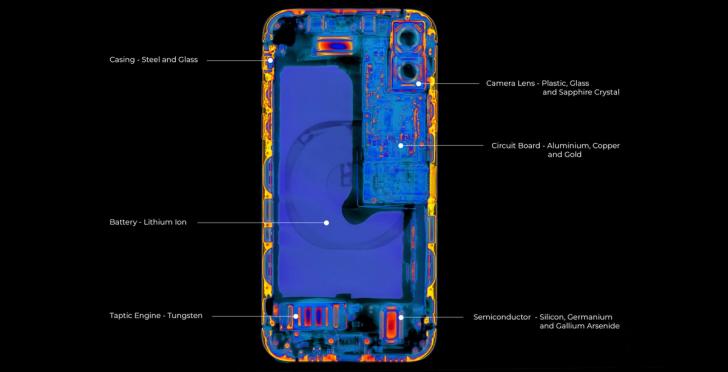
The Circular Electricals Fund, launched in May 2025 with a total pot of £1 million, supports projects focused on three areas: materials recovery, product design and new business models. The UK public currently throws away more than 100,000 tonnes of electricals a year, with over 880 million unused or unwanted devices stored in homes containing materials Material Focus estimates are worth nearly £1 billion, including copper, lithium and gold.
"Although there is some brilliant innovation already happening, many new products still aren't designed to be easily reused, recycled or repaired. And we lack the systems to recover all the valuable materials inside them," said Scott Butler, Executive Director at Material Focus.
Repair, mapping and reuse
UCL's "Big Repair Project" will explore how product design, new technologies, communication strategies and business models can make household appliance repair easier and more affordable, starting with washing machines. The research, led by UCL's Plastic Waste Innovation Hub in collaboration with industry partners, responds to the fact that many appliances are discarded prematurely because maintenance and repair remain difficult or costly for consumers.
"Surveys consistently show that people in the UK want to cut waste and make smarter use of the brilliant technologies that power modern life," said Mark Miodownik, Professor of Materials and Society at UCL. "In our research, we're teaming up with appliance manufacturers to explore how repairs can be made simpler and more affordable."
The British Geological Survey will undertake detailed modelling to evaluate the quantities of technology metals - such as lithium in batteries and neodymium in magnets used in motors - present in everyday electrical items including e-scooters and vacuum cleaners. The project addresses a gap in available data on where these metals end up when devices are disposed of or recycled, which BGS states means opportunities for commercial recovery are not being fully utilised.
Bristol Braille Technology, a not-for-profit that manufactures Braille display devices, will use the funding to develop the "Future Canute," described as a full-page digital Braille display designed to minimise electrical waste and maximise lifespan. The device will carry a 12-year warranty and be designed so that blind users can repair and upgrade it at home.
Reconome, a B Corp that partners with enterprise organisations to repurpose surplus devices for schools and charities, is developing a data-driven approach to increase the reuse of decommissioned devices. The project aims to use technology to reduce repair costs, harvest and match old components, and recommend alternative operating systems to extend device lifecycles.
The fund represents an expansion of Material Focus's investment activity. In 2023, the organisation allocated £1.8 million through its Electricals Recycling Fund to more than 40 projects improving collection infrastructure, establishing over 400 new recycling points and expanding kerbside services to 5.5 million residents.
The Circular Electricals Fund differs in focus, targeting upstream interventions in product design, material recovery and business model development rather than collection and recycling infrastructure.
The funding comes as the UK's right-to-repair regulations, which currently require manufacturers of certain household appliances to make spare parts available to professional repairers, face calls for expansion. Nearly 400 community groups, businesses and organisations have signed the UK Repair and Reuse Declaration urging the government to adopt broader circular economy policies.


Get our weekly digest
resource.co article ai

How will the government and DMOs address the challenges of including glass in DRS while ensuring a level playing field across the UK?
There's no easy solution to include glass in the DRS while maintaining a level playing field. Potential approaches include a phased introduction of glass, potentially with higher deposits to reflect its logistical challenges. The government and DMOs could incentivise innovation in glass packaging design and subsidise dedicated return points for glass-handling. Exemptions for smaller businesses unable to handle glass might also be necessary. Any successful solution will likely blend several approaches. It must address the differing priorities of devolved administrations, balance environmental benefits with logistical and cost implications, and be supported by robust consumer education campaigns emphasizing the importance of glass recycling.