

The Energy-from-Waste (EfW) industry is preparing for a challenging year, according to Kjetil Vikingstad, CEO at Geminor.
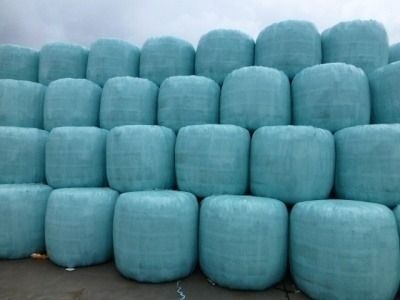
With the economy still recovering and conflict continuing in Ukraine, many European countries are seeing a drop in commercial and household waste. This, combined with transport challenges, has led to Solid Recovered Fuel (SRF) and Refuse Derived Fuel (RDF) price volatility in recent months. In order to avoid disruptions in supply, many waste industry players are increasing their stock of SRF and RDF this summer. This will help to ensure that energy production facilities can continue operating, even if waste volumes continue to drop.
Commenting on the situation, Per Mernelius, Country Manager for Geminor in Sweden, said: "Many industry players have noticed the unusual market situation for secondary fuels, and are aware of the coming logistics challenges which most likely will continue into the coming winter. Many see the need for more predictable deliveries, as well as a buffer of baled RDF."
Reflecting on the current market situation, the company has said that in the coming months it is aiming ‘to grind and bale as much waste as possible' from its suppliers in the UK, Germany and Italy.
Kjetil Vikingstad, CEI of Geminor adds: "For some time we have had a waste market based on ‘last-minute’ delivery, but during the last two years, downstream players have noticed that waste volumes are not as easy to get hold of in the winter season. The seasonal variations in volumes are getting more noticeable, also because of the reduction in waste exports from the UK."


Get our weekly digest
resource.co article ai

How will the government and DMOs address the challenges of including glass in DRS while ensuring a level playing field across the UK?
There's no easy solution to include glass in the DRS while maintaining a level playing field. Potential approaches include a phased introduction of glass, potentially with higher deposits to reflect its logistical challenges. The government and DMOs could incentivise innovation in glass packaging design and subsidise dedicated return points for glass-handling. Exemptions for smaller businesses unable to handle glass might also be necessary. Any successful solution will likely blend several approaches. It must address the differing priorities of devolved administrations, balance environmental benefits with logistical and cost implications, and be supported by robust consumer education campaigns emphasizing the importance of glass recycling.