

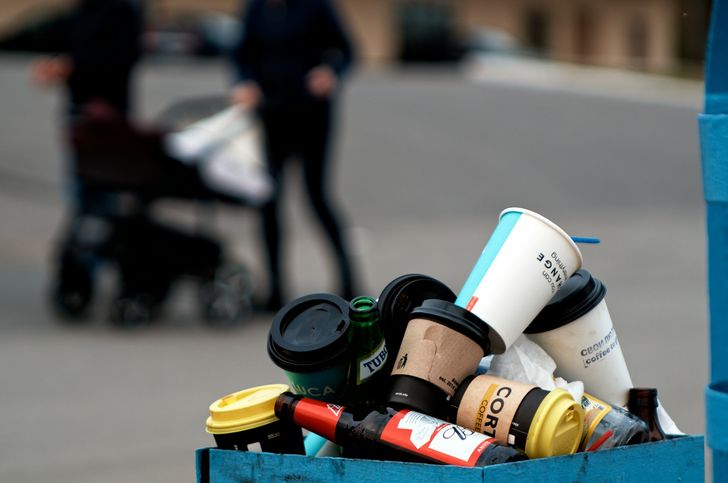
The waste management sector needs significant infrastructure development to handle the UK's 3.2 billion annual disposable cups, with current recycling rates sitting between 2.8 per cent and 6 per cent, according to new analysis from Valpak and Reconomy.
The report examines how the sector can prepare for an anticipated mandatory cup takeback scheme, which was originally proposed under Extended Producer Responsibility regulations but is now expected to come under separate legislation.
The National Cup Recycling Scheme, established in 2018, currently handles collections for several major retailers including Costa Coffee, McDonald's, Caffè Nero, Pret A Manger, and Greggs. The scheme coordinates between retailers and waste collectors to process paper cups through designated recycling routes.
"We are seeing increased engagement from businesses on cup recycling infrastructure," said Hannah Osman, National Cup Recycling Manager at Valpak by Reconomy. "Having overseen the National Cup Recycling Scheme, we can see where additional collection capacity will be needed."
Collection Infrastructure
The existing voluntary scheme has established collection and processing routes through 6,300 collection points nationwide. However, significant expansion would be needed under any mandatory scheme to handle the full volume of cups currently in circulation.
At James Cropper's specialist facility in Cumbria, fibre operations group leader Rob Tilsley reports capacity to process up to 750 million cups annually when running at full capacity. The facility's specialised process separates the polyethylene liner from virgin fibre, with both materials finding commercial applications.
According to the National Cup Recycling Scheme, 80 per cent of paper cups are manufactured using at least 92 per cent paper from virgin wood fibre, with a thin polyethylene liner. This composition requires dedicated processing streams, as the cups cannot be handled through standard paper mill technology.
Processing Requirements
Material consistency is essential for effective recycling. The report highlights that while traditional PE-lined cups can be processed effectively, the growing variety of materials poses new challenges. Novel "plastic-free" barriers and compostable PLA linings require different handling methods.
Specifically, some aqueous coatings can break down during processing, becoming incorporated into the paper pulp. The report notes this creates quality control issues for reprocessors producing high-end paper products from recycled cup fibre.
Collection Systems Development
Recent trials in Dundee and Glasgow demonstrated how collection point positioning affects capture rates. The TakeItBack initiative found that co-locating cup recycling bins with general waste in high-footfall areas improved collection while reducing contamination.
The trials also highlighted the need for:
- Dedicated bins separating cups, lids and liquids
- Systems to optimise transport efficiency
- Contamination management protocols
- Direct routes to processing facilities
While the current voluntary scheme's network provides operational insights, the report concludes that substantial infrastructure development will be needed to manage the full volume of cups used annually in the UK.


Get our weekly digest
resource.co article ai

How will the government and DMOs address the challenges of including glass in DRS while ensuring a level playing field across the UK?
There's no easy solution to include glass in the DRS while maintaining a level playing field. Potential approaches include a phased introduction of glass, potentially with higher deposits to reflect its logistical challenges. The government and DMOs could incentivise innovation in glass packaging design and subsidise dedicated return points for glass-handling. Exemptions for smaller businesses unable to handle glass might also be necessary. Any successful solution will likely blend several approaches. It must address the differing priorities of devolved administrations, balance environmental benefits with logistical and cost implications, and be supported by robust consumer education campaigns emphasizing the importance of glass recycling.