

The LEGO Group has unveiled a prototype LEGO® brick made from recycled plastic, in its latest step towards making its products from sustainable materials.
The new prototype, which uses polyethylene terephthalate (PET) plastic from discarded bottles, was worked on by a team of more than 150 people aiming to find sustainable solutions for the company.
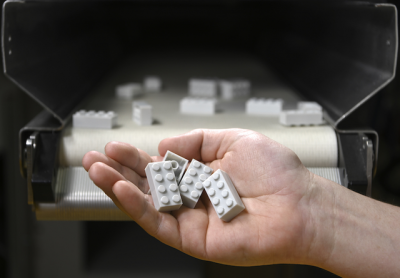
The recycled PET was sourced from suppliers in the United States that use processes approved by the US Food and Drug Administration (FDA) and European Food Safety Authority (EFSA).
On average, a one-litre plastic PET bottle provides enough raw material for 10 two x four LEGO bricks.
The team will continue testing and developing the PET formulation and then assess whether to move to the pilot production phase. Lego hopes to launch the recycled items after this next phase of testing, which is expected to take at least a year.
The recycled prototype brick is the latest development in the journey towards making the LEGO Group’s products more sustainable.
In 2020, the company announced it will begin removing single-use plastic from its boxes. In 2018, it began producing elements from bio-polyethylene (bio-PE) made from sustainably sourced sugarcane, though this material is only suitable for softer pieces and not actual bricks.
As for other environmentally-conscious initiatives, The LEGO Group has pledged to invest up to US$ 400 million across the next three years in order to accelerate its ambitions for sustainability.
On the development of the new prototype, Vice President of Environmental Responsibility at the LEGO Group, Tim Brooks, said: “We are super excited about this breakthrough.
“The biggest challenge on our sustainability journey is rethinking and innovating new materials that are as durable, strong and high quality as our existing bricks – and fit with LEGO elements made over the past 60 years.
“With this prototype we’re able to showcase the progress we’re making.”
He continued: “We’re committed to playing our part in building a sustainable future for generations of children.”
“We want our products to have a positive impact on the planet, not just with the play they inspire, but also with the materials we use.
“We still have a long way to go on our journey but are pleased with the progress we’re making.”


Get our weekly digest
resource.co article ai

How will the government and DMOs address the challenges of including glass in DRS while ensuring a level playing field across the UK?
There's no easy solution to include glass in the DRS while maintaining a level playing field. Potential approaches include a phased introduction of glass, potentially with higher deposits to reflect its logistical challenges. The government and DMOs could incentivise innovation in glass packaging design and subsidise dedicated return points for glass-handling. Exemptions for smaller businesses unable to handle glass might also be necessary. Any successful solution will likely blend several approaches. It must address the differing priorities of devolved administrations, balance environmental benefits with logistical and cost implications, and be supported by robust consumer education campaigns emphasizing the importance of glass recycling.