

SPONSORED
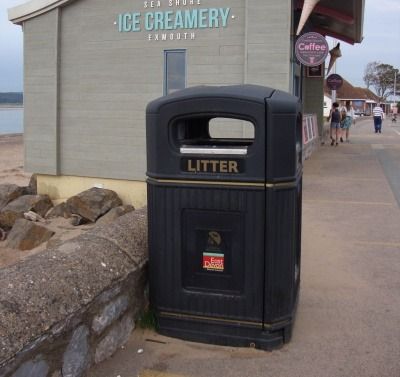
Leafield Environmental, the UK’s leading designer and manufacturer of litter and recycling bins are proud to have designed an extra large (XL) litter bin to help local authorities collect more waste and achieve the UK’s target to be net zero carbon by 2050.
Leafield’s best-selling Heritage Square XL Litter Bin houses a 240-litre wheelie bin inside allowing more than double the amount of litter to be collected than a standard litter bin. The wheelie bin makes it easy and simple to empty. Its robust double wall structure for ultimate rigidity and durability makes it ideal for all-year round use. The bin allows space for up to four posters to use to promote campaigns or place advertising. Bespoke colours and personalisation of labels are available upon request. Dimensions: 1415mm (H), 800mm (W) & 850mm (D).
The Heritage Square XL is also available as a recycling bin due to the increased demand for on-the-go recycling. It is the same unit as the Heritage XL Litter Bin, but it can collect mixed recyclables that are clearly identified by the WRAP compliant labels and aperture colour.
Leafield’s standard black bins are made from up to 100 per cent recycled material.
For more information about the Heritage Square XL, visit Leafield Environmental's website.


Get our weekly digest
resource.co article ai

How will the government and DMOs address the challenges of including glass in DRS while ensuring a level playing field across the UK?
There's no easy solution to include glass in the DRS while maintaining a level playing field. Potential approaches include a phased introduction of glass, potentially with higher deposits to reflect its logistical challenges. The government and DMOs could incentivise innovation in glass packaging design and subsidise dedicated return points for glass-handling. Exemptions for smaller businesses unable to handle glass might also be necessary. Any successful solution will likely blend several approaches. It must address the differing priorities of devolved administrations, balance environmental benefits with logistical and cost implications, and be supported by robust consumer education campaigns emphasizing the importance of glass recycling.