

Designer and manufacturer of litter and recycling bins Leafield Environmental has launched a new range of community litter bins made from recycled materials (subject to availability).
The new Classic range of bins is available in two different sizes. The standard Classic bin can hold up to 105 litres of waste and the small version can hold up to 70 litres. The Classic bin measures 1070mm in height and 570mm in diameter. The mini Classic bin measures 950mm in height and 465mm in diameter.
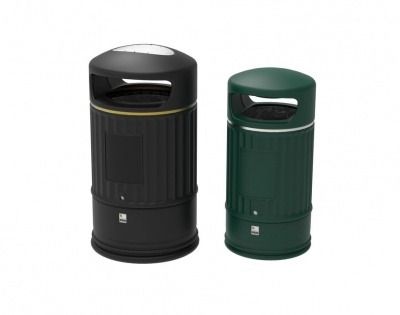
The Classic bins are round-hooded units designed for use all year round. The bin features an anti-fly poster dimpled surface and double aperture, which provides easy ‘walk by’ access.
The litter bin can be emptied by lifting off the lid to access the plastic or steel liner. Messages or labels can be put on the two personalisation panels and traditional gold banding comes as standard.
The plinth has been designed with moulded-in stiffening ribs, which eliminates the need for ground plates. A stubber plate is included as standard.
The Classic litter bin range can be treated with an antimicrobial protection to inhibit the growth of microbes on the bin’s surface.
The Biomaster antimicrobial additive (tested by Europe’s top independent microbiology laboratories to ISO 22196:2011) is added during Leafield’s manufacturing process. It is durable, it will not wash off and will last its active lifetime.


Get our weekly digest
resource.co article ai

How will the government and DMOs address the challenges of including glass in DRS while ensuring a level playing field across the UK?
There's no easy solution to include glass in the DRS while maintaining a level playing field. Potential approaches include a phased introduction of glass, potentially with higher deposits to reflect its logistical challenges. The government and DMOs could incentivise innovation in glass packaging design and subsidise dedicated return points for glass-handling. Exemptions for smaller businesses unable to handle glass might also be necessary. Any successful solution will likely blend several approaches. It must address the differing priorities of devolved administrations, balance environmental benefits with logistical and cost implications, and be supported by robust consumer education campaigns emphasizing the importance of glass recycling.