

Research commissioned by JTA and Defra examines relationship between recycling infrastructure and collection outcomes, finding convenience plays a key role in where residents recycle electricals and batteries.
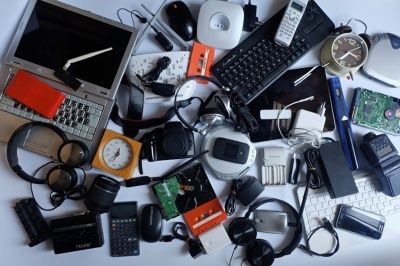
Councils offering kerbside collection for small electricals gather 15-22 per cent more material than those without such services, according to research examining UK recycling infrastructure.
The study, conducted by Material Focus on behalf of the Joint Trade Associations (JTA) and Defra, analysed WasteDataFlow figures for 2023 to assess how collection methods influence recycling rates for small waste electrical and electronic equipment (WEEE) and portable batteries.
For portable batteries, kerbside services had a stronger effect, increasing collections by approximately 49 per cent.
Retailer access and council collections
The analysis found an inverse relationship between walking access to retailer recycling points and local authority collection rates. A 10 per cent increase in population with easy walking access (within a 15-minute walk) to retailer locations corresponds to a 15-27 per cent decrease in small electricals collected by councils.
Material Focus suggests this may reflect residents using more convenient retailer take-back schemes. Better driving access to household waste recycling centres (HWRCs) was linked to higher recycling rates for both electricals and batteries.
However, the impact of kerbside collection is highly variable and the research notes that picking up from households and access to retailer takeback explain only part of the variation in collection rates, suggesting other local factors may also play a significant role.
"Making it easier for the public to reuse and recycle electricals and portable batteries is a key part of driving behaviour change," said Scott Butler, Executive Director at Material Focus. "This research brings us a step closer to understanding what that network could look like in the future."
Current collection landscape
Over 100 local authorities currently offer kerbside services for small electricals, with at least 130 providing portable battery kerbside collection. The analysis did not include electrical recycling bring banks, which Material Focus states will be examined in future work.
Industry bodies have called on the government to implement universal kerbside collection for batteries and small electricals, citing research suggesting it could prevent hundreds of waste fires annually. Currently, 100 of 391 local authorities offer kerbside collection for small mixed WEEE, covering 23 per cent of households.
The study did not examine cost, operational or communication challenges associated with new collection services. Material Focus note that a 2022 study examined possible costing models, but further work is needed.


Get our weekly digest
resource.co article ai

How will the government and DMOs address the challenges of including glass in DRS while ensuring a level playing field across the UK?
There's no easy solution to include glass in the DRS while maintaining a level playing field. Potential approaches include a phased introduction of glass, potentially with higher deposits to reflect its logistical challenges. The government and DMOs could incentivise innovation in glass packaging design and subsidise dedicated return points for glass-handling. Exemptions for smaller businesses unable to handle glass might also be necessary. Any successful solution will likely blend several approaches. It must address the differing priorities of devolved administrations, balance environmental benefits with logistical and cost implications, and be supported by robust consumer education campaigns emphasizing the importance of glass recycling.